Show summary Hide summary
- What Blazin Rodz is building: a radical hybrid Camaro restomod
- Powertrain layout and electrical system details
- Bodywork, chassis upgrades and top speed ambitions
- How realistic is the timeline and who’s behind the work?
- Performance history of modified first-generation Camaros
- Estimated cost, production plan and public debut
- What this means for restomods and hybrid classics
The 1969 Chevrolet Camaro is getting an extreme makeover. A UK-and-US collaboration led by tuner Blazin Rodz aims to transform the classic pony car into a hybrid restomod that chases supercar numbers and headline-grabbing tech.
What Blazin Rodz is building: a radical hybrid Camaro restomod
At SEMA this year the team revealed early details of a project called BR07. It’s not a mild upgrade.
Phoebe Bridgers voices Conor Oberst’s new short film Invention 13
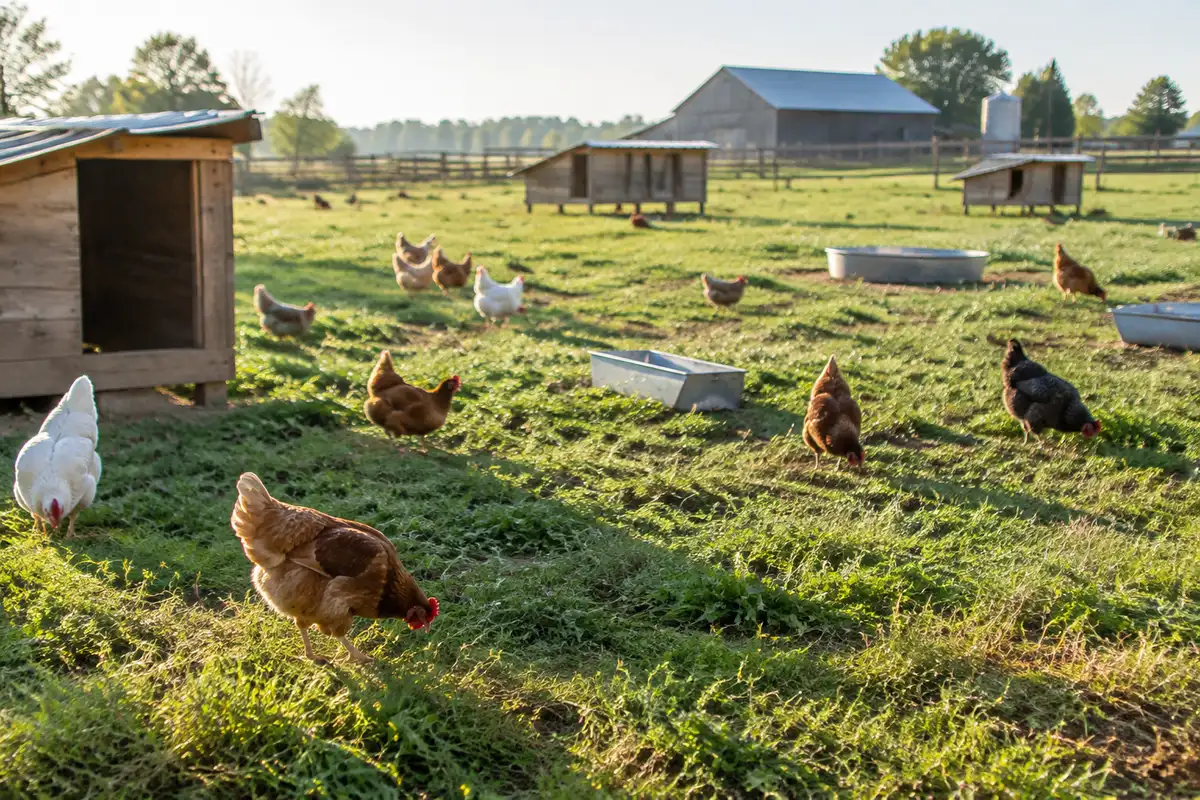
Von Miller’s chicken farm: how his country club for chickens won over Patrick Mahomes
- Target output: 1,600 horsepower combined.
- Internal combustion: a twin-turbo R07 V8 making about 1,300 hp.
- Electric assist: an axial flux motor adding roughly 300 hp.
The package is a true hybrid conversion. The electric motor is designed to work with the V8 for instant torque, traction control, and regenerative braking.
Powertrain layout and electrical system details
Blazin Rodz is fitting the axial flux motor at the front of the chassis to enable all-wheel traction. That layout gives the Camaro usable launch grip and torque fill at low rpm.
To feed the motor, the build uses a bespoke 800-volt battery from UK specialist Raeon. The battery pack sits ahead of the V8.
A custom hybrid powertrain controller will manage engine mapping, energy flow, clutch actuation, and traction logic. The goal is a seamless interface between combustion and electric drive.
Bodywork, chassis upgrades and top speed ambitions
The car will wear a full carbon fiber body. Expect a widebody stance, a large rear wing, and aggressive aero inspired by contemporary GT cars.
- Adaptive suspension to tune ride height and handling.
- Modern brakes and reinforced chassis to handle the power.
- Aero tuned for high-speed stability.
Blazin Rodz projects a top speed near 210 mph. For context, a stock 1969 Z/28 could only reach about 135 mph in period testing.
How realistic is the timeline and who’s behind the work?
So far the BR07 exists as a 1:3 scale model and a set of renderings. The team says initial fabrication and engineering are almost done.
Blazin Rodz is not a newcomer. The shop delivered a 2,800-horsepower 1970 Chevrolet Chevelle for SEMA 2024.
Why past work matters
That Chevelle — nicknamed “Doughboy” — used advanced 3D scanning and additive manufacturing. It won a high-profile engineering award at the show.
That success gives weight to Blazin Rodz’s claims. The group has shown it can turn ambitious specs into functioning builds.
Performance history of modified first-generation Camaros
Other builders have pushed late-’60s Camaros to extreme power levels. Some “Big Red” examples have exceeded 2,000 hp from V8s for drag and speed applications.
Those cars prove the platform can be made to handle huge outputs, if the suspension, driveline, and cooling are reworked.
Estimated cost, production plan and public debut
Pricing hasn’t been finalized, but Blazin Rodz expects a starting figure around $1.6 million.
The team plans testing later this year with showroom sales to begin ahead of SEMA 2026.
- Current status: design, scale model, and early fabrication.
- Next phase: prototype testing and validation.
- Public reveal: targeted for SEMA 2026 events.
What this means for restomods and hybrid classics
BR07 blends period styling with cutting-edge propulsion. It suggests a new direction for restomods: electrified muscle cars built to supercar performance standards.
If the numbers hold and the car reaches production, the BR07 will be a rare hybrid classic with a modern powertrain and a six-figure (or seven-figure) price tag.