Show summary Hide summary
- What the new neo-retro urban model brings to the streets
- Design language that sells emotion and practicality
- Powertrain choices: tradition or modern efficiency?
- How the bike is positioned in today’s market
- Dealer network, production, and supply risks
- Marketing and brand revival strategy
- How it stacks up against neo-retro rivals
- Buyer profile: who will choose this bike?
- Financial outlook and long-term prospects
- Potential pitfalls and what could derail the comeback
- Early rider impressions and critical feedback
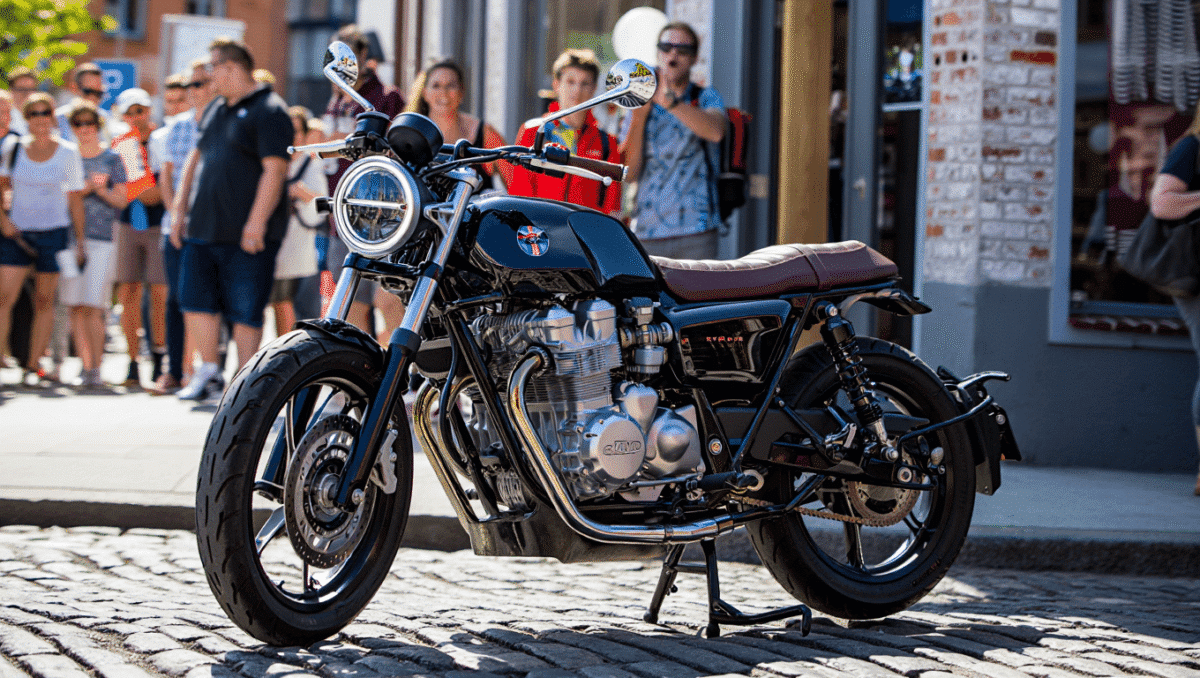
The return of a long-dormant motorcycle name has fans asking if nostalgia can turn into momentum. A newly revealed neo-retro urban bike aims to bridge classic styling with modern tech. It’s a bold attempt to reignite a brand that vanished from showrooms years ago and to win over a generation that values design as much as performance.
What the new neo-retro urban model brings to the streets
The bike pairs vintage cues with contemporary engineering. Designers kept the silhouette and chrome touches that hint at heritage. Underneath, the platform is engineered for city life.
Thinning hair: top dermatologist-recommended hair growth supplement brand on major sale
Jake Luppen confirms brain tumor: will undergo 6-hour open brain surgery
- Compact frame: Optimized for tight traffic and easy parking.
- Modern suspension: Tuned for comfort without losing agility.
- Updated brakes: ABS as standard for urban safety.
- Connectivity: Smartphone integration and a digital display.
Design language that sells emotion and practicality
Neo-retro styling is more than a look. It’s a promise of character. The bike uses round headlamps, sculpted tank lines, and brushed metals to evoke a classic feel.
Details riders notice
- Removable seat options for customization.
- Retro-inspired gauges with a digital core.
- Color palettes that reference the brand’s past models.
Visual nostalgia is balanced with functional upgrades, so the bike appeals to both collectors and daily commuters.
Powertrain choices: tradition or modern efficiency?
The brand faces a choice many revivals face: stay with a combustion engine or pivot to electric mobility. The new release offers a middle path.
- A small-displacement, fuel-efficient ICE tuned for low-end torque.
- An optional electric variant for urban riders wanting zero emissions.
- Both powertrains prioritize rideability over outright speed.
That strategy lets the company reach legacy enthusiasts and eco-conscious buyers. Flexibility could be a commercial advantage in crowded markets.
How the bike is positioned in today’s market
The maker aims at young professionals and style-minded commuters. Price is set to undercut premium retro models while offering better features than typical entry-level bikes.
Key selling points
- Distinctive brand story tied to a classic name.
- Strong visual identity that stands out on city streets.
- Accessible tech features that modern riders expect.
Lean operating costs and competitive pricing are pitched to attract first-time buyers and urban riders who value both style and savings.
Dealer network, production, and supply risks
Reviving a brand requires more than a single model. Distribution and service are crucial. The company has pursued a staged rollout.
- Initial sales in key urban centers to build buzz.
- Pop-up showrooms and mobile demo units.
- Partnerships with independent service shops for aftercare.
Supply chain constraints remain a risk. Sourcing specialty parts for neo-retro finishes can slow production. The brand plans limited runs to control quality and manage inventory.
Marketing and brand revival strategy
The relaunch leans on storytelling. Marketing campaigns highlight the brand’s past and its new urban relevance. Events and curated collaborations play a big role.
- Local riding clubs and influencer-led demo rides.
- Limited-edition colorways linked to the archive.
- Content that mixes heritage photography with lifestyle footage.
Emotional resonance is built through community engagement and authentic ties to the brand’s history.
How it stacks up against neo-retro rivals
Competitors include established names that successfully married classic looks with modern tech. This newcomer must differentiate to survive.
- Price/performance balance is crucial versus premium rivals.
- Unique design flourishes must avoid looking derivative.
- Service availability and warranty terms will influence buying decisions.
Early reviews suggest the bike excels at urban maneuverability. Critics note it still needs stronger power delivery for highway cruising.
Buyer profile: who will choose this bike?
The ideal rider values style and practicality. Expect a mix of:
- Young professionals commuting short distances.
- Design-conscious riders who want a statement piece.
- Older fans of the original brand seeking a daily rider.
Owners will likely use the bike for city runs, weekend cruises, and social rides rather than long touring trips.
Financial outlook and long-term prospects
Rebuilding a brand requires capital and patience. The company’s roadmap includes expanding the lineup if the model sells well.
- Follow-up models could include a cafe racer and a small adventure bike.
- Scalable platform design reduces future development costs.
- Profitability hinges on maintaining steady sales and controlling component costs.
Investor interest seems cautious but curious. Market response to the first shipments will be decisive for the revival plan.
Potential pitfalls and what could derail the comeback
Several challenges could blunt momentum. Brand revivals often fail due to execution errors rather than lack of interest.
- Supply bottlenecks that delay deliveries.
- Quality issues that damage brand trust.
- Poor pricing that leaves the bike trapped between segments.
To avoid these traps, the company must deliver consistent quality and clear messaging that connects heritage with modern needs.
Early rider impressions and critical feedback
Test riders praise the bike’s character and city-friendly dynamics. Reviewers point out a few areas for improvement.
- Positive: handling, style, and ergonomics for urban use.
- Negative: limited top-end power and a small fuel tank on ICE models.
- Neutral: some electronic features feel basic compared to rivals.
Upgrades in future batches could address these gaps and sharpen the bike’s competitive edge.