Show summary Hide summary
- What changed: key updates that matter to everyday riders
- Design: rugged retro styling that’s still practical
- Ride and handling: tuned for confidence, not maximum aggression
- Powertrain and performance: familiar, efficient, and easy to manage
- Tech and comfort: modern touches without overcomplication
- Practical ownership: costs, maintenance, and aftermarket support
- How it stacks up against rivals
- Who should consider this updated model?
- Availability, trims, and expected pricing
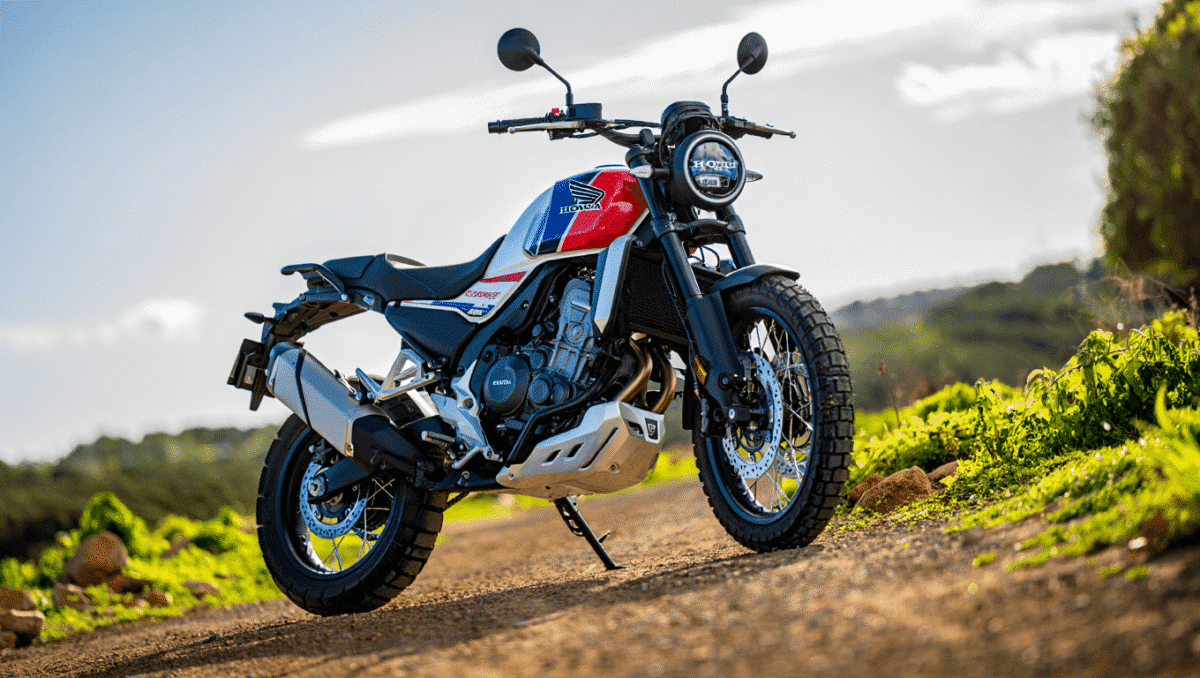
Honda has given its most user-friendly adventure motorcycle a bold new look that mixes rugged, old-school cues with modern practicality. The refresh aims to appeal to riders seeking a machine that’s easy to live with daily, yet ready for light off-road exploration. The update balances style and function, delivering visual character without sacrificing the approachable nature that made this model popular.
What changed: key updates that matter to everyday riders
The revision focuses on styling, ergonomics, and small but meaningful tech upgrades. Honda kept the bike’s core character intact. Still, the visual overhaul and ergonomic tweaks make it feel like a different bike at first glance.
Liam Payne’s final moments revealed by girlfriend Kate Cassidy on 2nd anniversary
Phoebe Bridgers voices Conor Oberst’s new short film Invention 13
- New retro-inspired bodywork and finishes give the bike an evocative, rugged vibe.
- Handlebar and seat adjustments improve comfort for longer rides.
- Updated lighting and instrument cluster enhance night visibility and information layout.
- Minor suspension tuning sharpens off-road composure without making the ride harsh.
Design: rugged retro styling that’s still practical
Honda took cues from classic scramblers and trail bikes. The result is a look that feels nostalgic yet purposeful. Expect a simpler silhouette, textured surfaces, and color palettes that nod to the past.
Visual changes you’ll notice
- Round headlamp or faux-bezel styling for a vintage touch.
- Matte paint and two-tone liveries that highlight the bike’s lines.
- Minimalist side panels and a slightly raised front fender for off-road character.
- Subtle metal accents and a more exposed frame for rugged appeal.
The styling upgrade is designed to draw attention without overcomplicating maintenance or adding unnecessary weight.
Ride and handling: tuned for confidence, not maximum aggression
Honda retained the friendly ergonomics that define this class of motorcycle. The riding position remains upright with easy reach to the controls. Small changes to suspension and geometry sharpen feel while preserving stability.
- Seat height remains accessible for a wide range of riders.
- Softer initial fork action for compliance over bumps.
- Rear damping tuned to control weight transfer during light off-road use.
These adjustments make the bike feel more engaging on gravel or fire roads, while keeping commute comfort intact.
Powertrain and performance: familiar, efficient, and easy to manage
Honda kept the proven single-cylinder engine and tuned it for smooth low-end power. The setup favors predictability over peak horsepower. That makes the bike ideal for new riders and for riders who value usability in traffic.
- Throttle response is calibrated for smooth inputs and steady traction.
- Fuel efficiency remains a priority, supporting longer range between fill-ups.
- Transmission and clutch feel retain a forgiving nature.
Tech and comfort: modern touches without overcomplication
The update adds practical technology aimed at usability. Honda resisted the temptation to overload the model with high-end electronics. Instead, the focus is on useful features.
- Improved LED lighting improves visibility and reduces maintenance.
- A clearer instrument layout makes information easy to read at a glance.
- Optional accessories likely to include luggage mounts and protective hardware.
Comfort upgrades such as a reshaped seat and refined handlebars make daily use more enjoyable.
Practical ownership: costs, maintenance, and aftermarket support
This model remains one of Honda’s most affordable adventure options. Routine maintenance stays simple. That appeals to budget-conscious riders and to riders who prefer to DIY basic service tasks.
- Parts availability benefits from Honda’s global network.
- Aftermarket support has grown, offering protective gear and touring accessories.
- Insurance and running costs are typically lower than larger adventure bikes.
How it stacks up against rivals
In this segment, buyers often choose between entry-level adventure models from other brands. Honda’s refreshed offering sets itself apart with balance: it mixes approachable power, practical comfort, and a fresh retro image.
- Compared to heavier dual-sport machines, it’s more city-friendly.
- Against small-capacity adventure bikes, it often wins on reliability and dealership support.
- Its retro styling gives it an edge for buyers seeking personality on a budget.
Who should consider this updated model?
This bike suits riders who want a versatile, low-stress machine for urban commutes, weekend escapes, and light trails. It’s especially good for:
- New riders seeking confidence and simplicity.
- Commuters who want a bike with character.
- Weekend explorers who dabble in unpaved roads.
If you value reliability and a distinct look, this update makes a strong case for ownership.
Availability, trims, and expected pricing
Honda typically releases refreshed models in multiple trims. Expect a standard version and possibly a rally-style or touring variant. Prices usually start within the affordable end of the adventure segment.
- Entry trims focus on value and practicality.
- Higher trims may include factory accessories and upgraded finishes.
- Dealer incentives and regional packages can affect final cost.