Show summary Hide summary
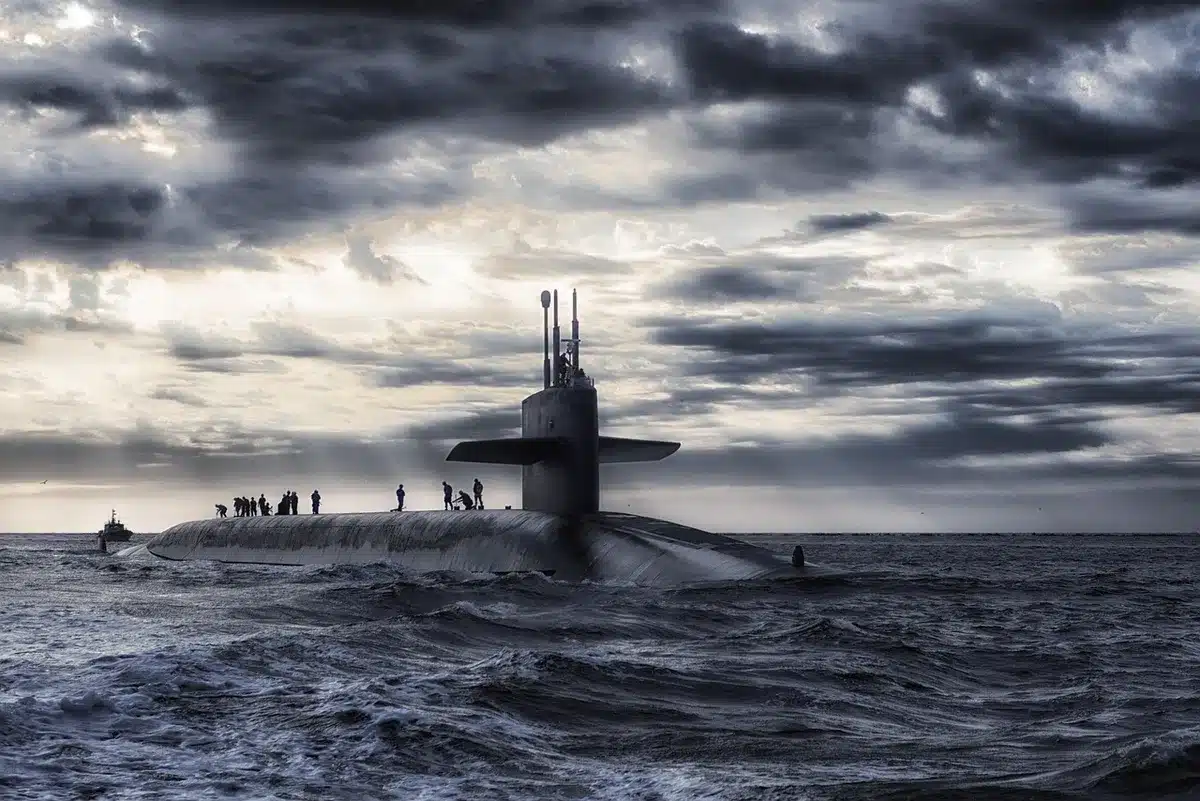
Mark Fischbach, better known online as Markiplier, takes a bold step from streaming to cinema with Iron Lung, a claustrophobic submarine horror that grows into a cosmic, unnerving finale. The film adapts and expands the indie game that inspired it, trading simple jump scares for a slow-burn psychological descent. What starts as a tight, surface-level premise becomes a study of guilt, perception, and the limits of human endurance.
How the indie game became a larger movie
Iron Lung began as a minimalist horror game celebrated by fans. Fischbach keeps the game’s tense premise but stretches the narrative. He adds backstory, moral stakes, and new scenes to deepen the lead character’s arc.
Thinning hair: top dermatologist-recommended hair growth supplement brand on major sale
Jake Luppen confirms brain tumor: will undergo 6-hour open brain surgery
- Retains the single-location constraint that made the game effective.
- Introduces a post-apocalyptic context to raise the stakes.
- Weaves in a pre-dive incident that reframes the protagonist’s mission.
The adaptation choices aim to transform a compact concept into a feature-length cinematic experience. That expansion sometimes complicates the story. Still, it gives the film a chance to become more than a novelty.
Submarine horror: visuals, sound, and the tactile details
Most of the film unfolds inside an experimental submersible with no windows. The only visuals are stark, x-ray-style feeds in black, white, and grey. This limited palette forces attention to texture and sound.
Fischbach excels at tactile filmmaking. Close-ups of beads of condensation, the hiss of a leaking pipe, and shattered radio audio create a sensory landscape. Those details build dread in a way dialogue alone cannot.
The production leans into analog horror cues. Small mechanical sounds, flickering lights, and the unreliable radio signal become characters of their own. These elements keep the setting alive and unpredictable.
Performance and the psychology at the film’s center
Fischbach plays Simon, a pressured operator tasked with a mysterious mission. His voice work alternates between controlled commands and panicked outbursts.
The portrayal is intense and sometimes unsteady. At moments the performance risks becoming repetitive. Yet the character’s unraveling still feels earned because the screenplay ties his breakdown to guilt and penance.
Supporting voices that matter
- Caroline Rose Kaplan voices Ava, the terse radio dispatcher.
- An authoritative narrator hints at a world changed by catastrophe.
- Other cast members add texture, even when seen mainly through voice or limited screen time.
These off-screen connections sustain the drama and make isolation feel more dangerous. As contact fades, the story shifts from mechanical survival to a deeper internal collapse.
Directorial eye: composition, cuts, and pacing
As a first-time feature director, Fischbach shows a clear visual vocabulary. Shots are often tight and meticulously composed. The editing favors abrupt shifts when the story demands visceral jolts.
Pacing is a calculated gamble. The film dials up slow-burn suspense in the first half, letting the audience explore each hatch and gauge. Later, it accelerates into surreal sequences that test narrative cohesion.
This approach keeps viewers engaged by alternating exploration with sudden shocks. It also reveals Fischbach’s strengths as a filmmaker, even when the script leans on familiar horror beats.
The closing turn: body horror and cosmic dread
Iron Lung pivots into a hallucinatory finale that mixes body-horror imagery with Lovecraftian scope. The movie trades the claustrophobic engineering of the sub for metaphysical unease.
The tonal shift is deliberate and risky. When the film embraces cosmic terror, it aims for a big emotional payoff. That choice will divide audiences and critics alike.
The ending is both ambitious and unstable. It delivers striking visuals and unsettling concepts but sometimes sacrifices clarity for shock. The result is memorable and likely to fuel debate among genre fans.
Key credits, release info, and principal cast
- Director: Mark Fischbach
- Writer: Mark Fischbach
- Release date: January 30, 2026
Principal cast
- Mark Fischbach
- Caroline Rose Kaplan
- Troy Baker
- Elsie Lovelock
- Elle LaMont
- Seán McLoughlin
- Isaac McKee