Show summary Hide summary
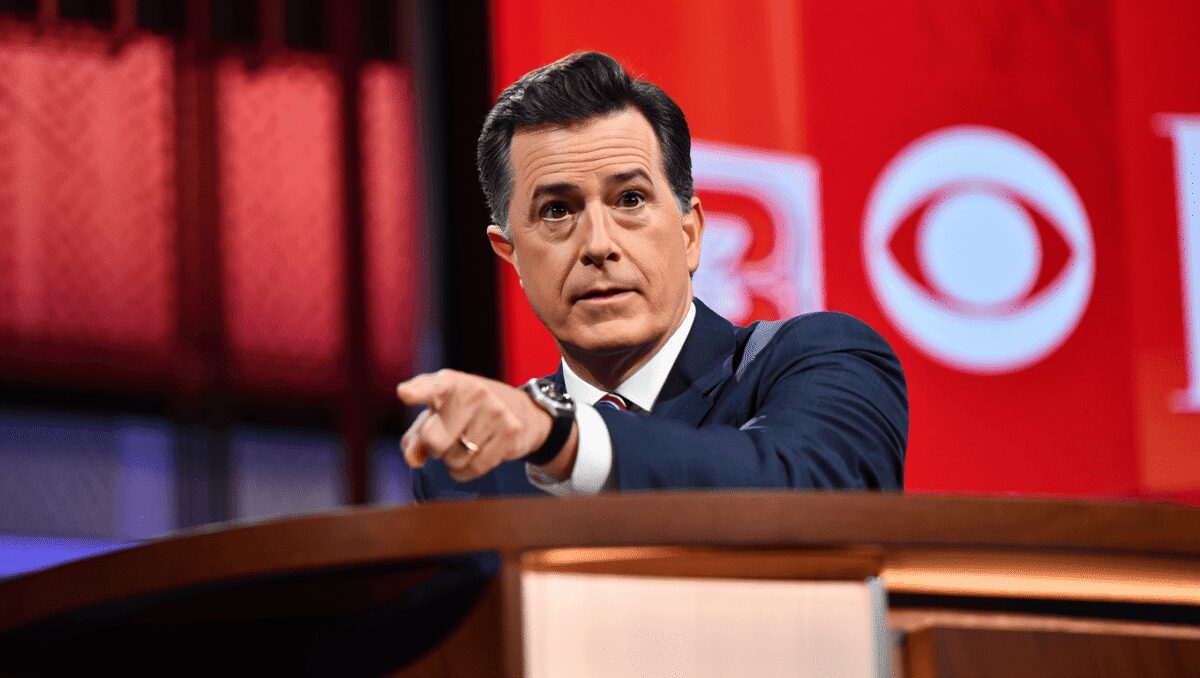
Stephen Colbert used his final night on The Late Show to land a pointed joke at his own network, turning a routine comedy bit into a sharp reminder of the tensions surrounding the program’s end.
How a comic bit became a network jab
On Thursday, May 21, Colbert opened his familiar “Meanwhile” segment. He riffed on a news item about music rights tied to classic Peanuts TV specials.
Jenny Slatten and Sumit Singh reveal how their love strengthened amid her ALS battle
Whitney Rose files for divorce from husband Justin: Heather Gay finally breaks silence
As he described lawsuits over the song “Linus and Lucy”, he paused and addressed his band leader. The moment shifted from casual banter to a deliberate poke at management.
The exchange was simple and telling. Colbert questioned whether his band was playing the very tune that had led to legal claims. The band obliged and played the melody, and Colbert quipped about the possible cost to CBS. The joke landed as both satire and parting shot.
What sparked the Peanuts music gag
The item Colbert picked on was a legal dispute involving ownership of music from A Charlie Brown Christmas and other Peanuts specials.
- Rights holders filed multiple lawsuits alleging unauthorized use of the song.
- The tune has become a symbol in the story, turning a holiday classic into headline fodder.
- Colbert used this news to highlight the irony of a large media company facing legal and reputational pressure.
Timeline: Announcing the end of The Late Show
Key dates and moments
- July 2025 — CBS revealed the show would conclude after the coming season.
- Colbert informed his studio audience soon after the network announcement.
- Viewers and staff reacted with shock and disappointment.
When Colbert announced the news to a live audience, boos broke out. He made clear that this was not a change of host, but the termination of The Late Show on CBS itself.
Network explanation: money, not performance
CBS said the decision was financial. Executives emphasized the move had nothing to do with ratings, content, or recent controversies at the parent company.
That explanation failed to satisfy some viewers. Critics pointed to other events that made the timing feel suspect.
- Paramount, CBS’s parent, had settled a lawsuit tied to a high-profile politician.
- That settlement and other internal pressures led some to question motives behind the cancellation.
Colbert’s response to skepticism and the company’s actions
Colbert spoke publicly about the decision and the reactions it stirred. He told reporters he did not disagree with the official financial reason.
But he also acknowledged public skepticism. He said he could see why some viewers found the network’s timing and choices puzzling.
Colbert suggested the company’s actions in other disputes made the cancellation feel less clear-cut to the audience.
Final show: a message to the audience
On his last night, Colbert addressed both the studio crowd and viewers at home. He framed the program as a collaborative effort.
He thanked the audience for bringing energy and enthusiasm to the show night after night. Colbert called the production a “machine” that delivered joy only because of the people who tuned in.
- He praised the team that produced the show.
- He acknowledged the audience’s role in the program’s success.
- He expressed genuine gratitude for years of support.
Colbert closed the episode with his familiar rallying tone, urging everyone in the theater and at home to carry the same spirit forward.