Show summary Hide summary
- Vance says the Vatican should “stick to morality” as policy rows simmer
- Where the rift centers: immigration, Iran and public policy differences
- Trump fires back on Truth Social and at a White House briefing
- The Pope’s reply and Vatican posture
- JD Vance’s personal stance and background
- How the dispute plays out in public and politics
- AI image controversy adds fuel to an already tense moment
- What to watch next as Vatican and White House navigate the fallout
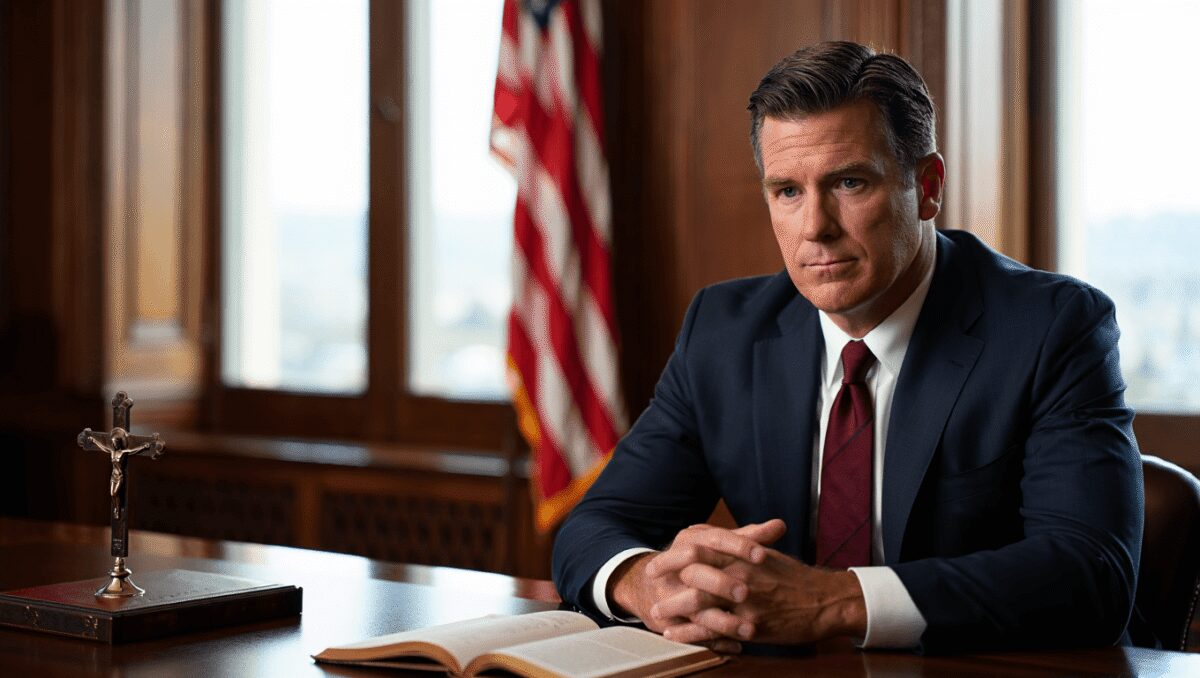
The escalating exchange between the White House and the Vatican took a new turn this week when Vice President JD Vance weighed in, urging Pope Leo XIV to focus on spiritual leadership rather than U.S. policy debates. Vance framed the disagreement as a predictable clash of roles, while the wider spat between President Donald Trump and the pontiff has drawn headlines over immigration, Iran and an unexpected social media controversy.
Vance says the Vatican should “stick to morality” as policy rows simmer
Speaking on Fox News, Vice President JD Vance described tensions with the Vatican as normal in a pluralistic democracy. He argued that the Pope has every right to champion moral causes, but must not try to dictate American policy.
Kirsten Storms and ex-husband Brandon Barash relationship timeline: the highs, the drama, the split
Guitar will never die: why the instrument keeps reinventing itself
Vance, who converted to Catholicism in 2019, emphasized the line between religious counsel and national decision-making. He said the United States will set its own immigration and foreign policy, even if those choices clash with Vatican positions.
“Let the President of the United States dictate public policy,” Vance said, while adding that the U.S. maintains a respectful relationship with the Holy See.
Where the rift centers: immigration, Iran and public policy differences
The disagreements have focused on a few high-profile issues.
- Immigration: The Pope has publicly criticized American immigration policy, prompting pushback from the administration.
- Iran and war: Pope Leo XIV used his Easter message to warn against military escalation in the region, calling the logic behind war dangerous and fatal.
- Domestic priorities: Trump has branded the pontiff weak on crime and questioned the Pope’s foreign policy perspective.
These clashes illustrate a deeper tension: religious leaders advocating moral positions versus elected officials defending national strategy.
Trump fires back on Truth Social and at a White House briefing
President Trump responded sharply on social media and in person. On Truth Social, he labeled the Pope “weak on crime” and criticized his stance on Iran.
Trump also suggested the Vatican chose an American pontiff partly to improve relations with Washington. He referenced grievances from the COVID era, saying churches and clergy faced harsh restrictions.
At a White House press conference, Trump reiterated his objections, stressing he would not apologize for pursuing what he says are America-first policies.
The Pope’s reply and Vatican posture
Pope Leo XIV answered reporters that he does not fear the Trump administration. He framed his remarks as grounded in the Gospel and the Church’s moral teaching.
The Vatican has not changed its public line: it will continue to raise ethical concerns even when they conflict with U.S. policy choices. Requests for formal comment were reported as sent to the Holy See.
JD Vance’s personal stance and background
Vance is a relatively new Catholic, having converted at age 35 after an evangelical upbringing. His faith informs his views, yet he pushed for a clear division between spiritual counsel and policy-making.
Vance described disagreement with the Vatican as “totally reasonable” and predicted such clashes would recur as both sides press their priorities.
How the dispute plays out in public and politics
Short-term effects
- Media headlines amplify every exchange between the Pope and the President.
- Diplomatic channels may work to smooth tensions behind the scenes.
- Political allies and opponents use the conflict to rally supporters.
Longer-term stakes
- Church-state relations could be tested when moral teaching conflicts with national strategy.
- Faith communities may reassess how to engage with partisan debates.
- U.S.-Vatican diplomacy may recalibrate depending on evolving priorities.
AI image controversy adds fuel to an already tense moment
The row widened after President Trump posted an AI-generated image portraying himself in a Christlike pose. The image sparked outrage and was later removed from Truth Social.
Trump later told reporters he believed the image depicted him as a doctor and associated it with the Red Cross. Critics across the political spectrum viewed the post as inappropriate.
The episode heightened the sense of cultural and religious friction surrounding the administration this week.
What to watch next as Vatican and White House navigate the fallout
- Follow diplomatic signals between Washington and the Holy See.
- Monitor statements from Catholic leaders in the U.S. and abroad.
- Watch for how politicians use the dispute in upcoming campaign messaging.