Show summary Hide summary
- How a manga hit became a TV force
- Dragon Ball Z: shifting to epic battles
- Early U.S. attempts and why they stumbled
- Saban’s gamble and switching to DBZ
- Toonami and the moment it went mainstream
- The ripple effects on a generation of fans
- How Dragon Ball set the template for battle shōnen
- From niche import to mainstream entertainment industry
- Balancing legacy with diversity in modern anime
- Why the series still matters today
Few entertainment properties have twisted and turned their way into global culture as dramatically as Dragon Ball. What began as a comic that captured Japan soon evolved into a worldwide phenomenon. Its journey to international fame was rocky, marked by failed dubs, broadcast cuts, and risky format changes. Yet the series ultimately reshaped how many outside Japan first imagine “anime”: fast-paced fights, larger-than-life heroes, and an enduring fan culture.
How a manga hit became a TV force
Akira Toriyama’s original Dragon Ball started life in Weekly Shōnen Jump. The manga’s blend of humor, adventure, and action made it a runaway success in Japan. Publishers serialized it for more than a decade, generating enormous weekly sales for the magazine.
Cher: from Sonny Bono’s sidekick to pop goddess
Vertical dramas: exploitative, ugly and disturbingly addictive
That popularity made an animated version inevitable. Toei Animation adapted the story into a television series in the mid-1980s. The show stayed faithful to Toriyama’s mix of comedy and combat at first. Gradually, it tilted toward high-stakes battles and power-ups.
Dragon Ball Z: shifting to epic battles
When the anime moved into the era fans now call Dragon Ball Z, tone and scale changed. The series followed a time jump that turned its young protagonist into an adult fighter. Enemies grew deadlier. Set pieces became larger. The action turned relentless.
Dragon Ball Z amplified the combat side of the franchise. That emphasis on escalating fights, transformations, and stamina-testing showdowns became the shape other series would copy.
Early U.S. attempts and why they stumbled
Dragon Ball’s path to American screens was not direct. Multiple companies tried to localize the series and failed to catch on at first.
- One early English dub covered only a handful of episodes and never built an audience.
- Another small distributor released a short run before stopping for lack of traction.
- Those early efforts often trimmed or altered content, creating inconsistent versions that confused potential fans.
These stops and starts meant that, even as the franchise exploded in Japan, the U.S. public was slow to embrace it.
Saban’s gamble and switching to DBZ
In the mid-1990s, Saban Entertainment stepped in with a different playbook. Instead of beginning where the anime first started, they launched the more action-oriented Dragon Ball Z to Western viewers. The move prioritized the franchise’s combat-heavy appeal.
Saban was already adept at repackaging foreign shows for American kids. Their approach emphasized fast pacing, simplified storytelling, and vocal performances tailored to U.S. tastes. That formula helped the show gain enough traction to survive early cancellations.
Why that decision mattered
Starting with Dragon Ball Z changed how many Western viewers perceived the series. It foregrounded explosions, transformations, and arena-shaking fights. For new viewers, those elements became the clearest signals of what Dragon Ball was about.
Toonami and the moment it went mainstream
Cartoon Network’s Toonami block proved decisive. As the network built an edgier animation lineup, it began airing Dragon Ball Z reruns. Viewer interest surged. The network then invested in dubbing more episodes, eventually making the entire saga accessible in English.
Toonami turned a niche import into a cultural touchstone for a generation. Teens and children tuned in after school for hours of serialized action. Many fans trace their anime education back to those late-90s weekday evenings.
The ripple effects on a generation of fans
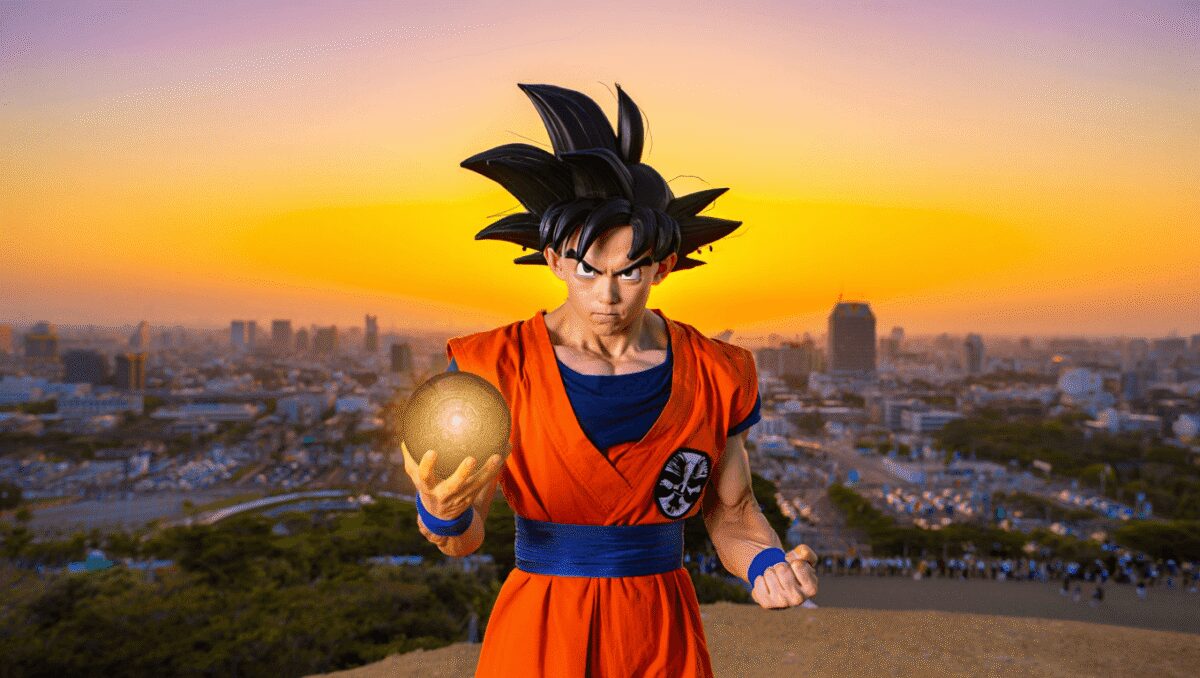
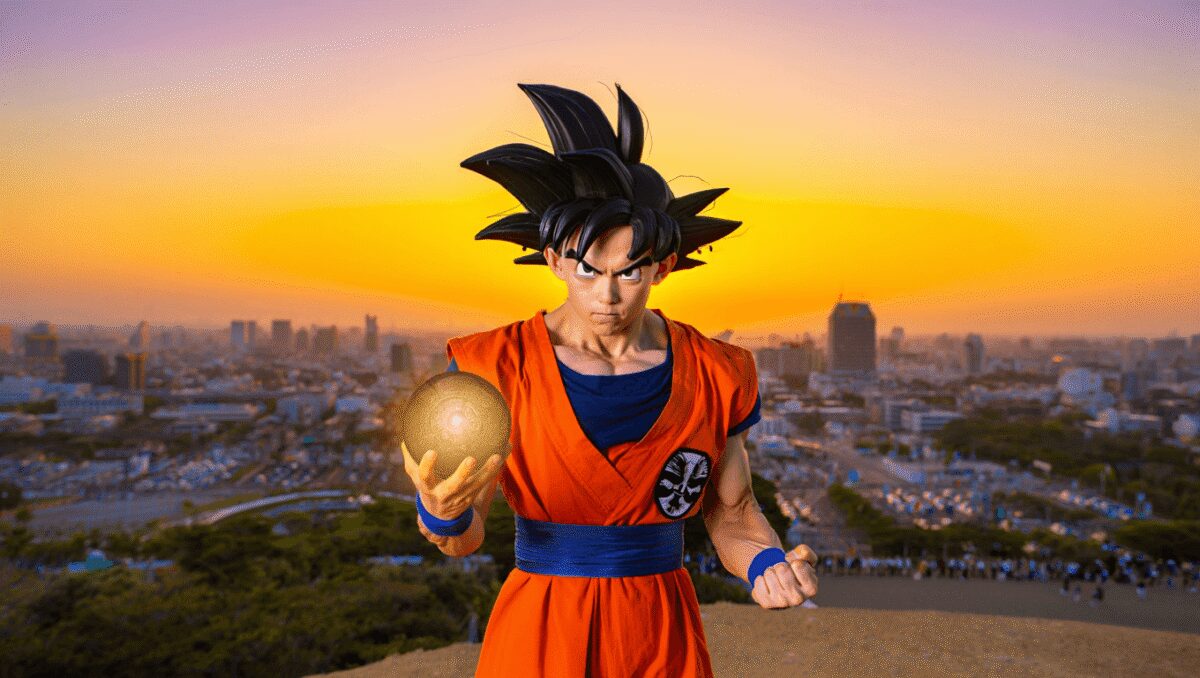
Dragon Ball’s rise shaped how two generations view animation. For many millennials and Zoomers, the series was an early and lasting gateway into anime. Its aesthetic—spiky hair, energy blasts, and escalating rivalries—became shorthand for the medium in pop culture.
- It inspired local fan clubs and conventions.
- It influenced aspiring artists and animators worldwide.
- It proved that a Japanese series could build a passionate global audience.
How Dragon Ball set the template for battle shōnen
The show popularized a specific formula within shōnen anime: a focus on friendship, training, and ever-increasing threats resolved through combat. That template supported later juggernauts from the same magazine lineage.
This battle-driven model shaped expectations for what mainstream anime should look and feel like. Shows that followed often echoed Dragon Ball’s pacing and visual language, cementing the genre’s global identity.
From niche import to mainstream entertainment industry
Dragon Ball’s success helped open doors for the broader anime market. Its mainstream visibility made broadcasters and distributors more willing to invest in other Japanese series. Over time, streaming platforms expanded the catalog even further.
Today, a diverse slate of anime coexists: intense battle shows, quiet dramas, experimental works, and family-friendly titles. The industry’s growth owes something to Dragon Ball’s early role as an ambassador.
Balancing legacy with diversity in modern anime
The franchise’s influence is double-edged. On one hand, it built audiences and infrastructure. On the other, it cast a long shadow that encouraged some to equate anime solely with action spectacles.
In recent years, streaming services and specialty platforms have broadened offerings. Viewers can now discover everything from slice-of-life dramas to arthouse series. Still, Dragon Ball’s fingerprints remain easy to spot.
Why the series still matters today
Even decades on, Dragon Ball remains a cultural reference point. New releases, remasters, and movie tie-ins keep the brand visible. Its impact reaches box-office results and global fandom patterns.
Whether loved for its epic fights or criticized for shaping narrow expectations, Dragon Ball played a central role in turning anime into an international force.