Show summary Hide summary
- Hidden microbes in blood and molecules that shield skin cells
- Why this discovery is interesting — and why it won’t be on shelves tomorrow
- Restoring youth to blood-forming stem cells — the Mount Sinai breakthrough
- How these two lines of research could change medicine and cosmetics
- What experts recommend you do today for skin and healthy aging
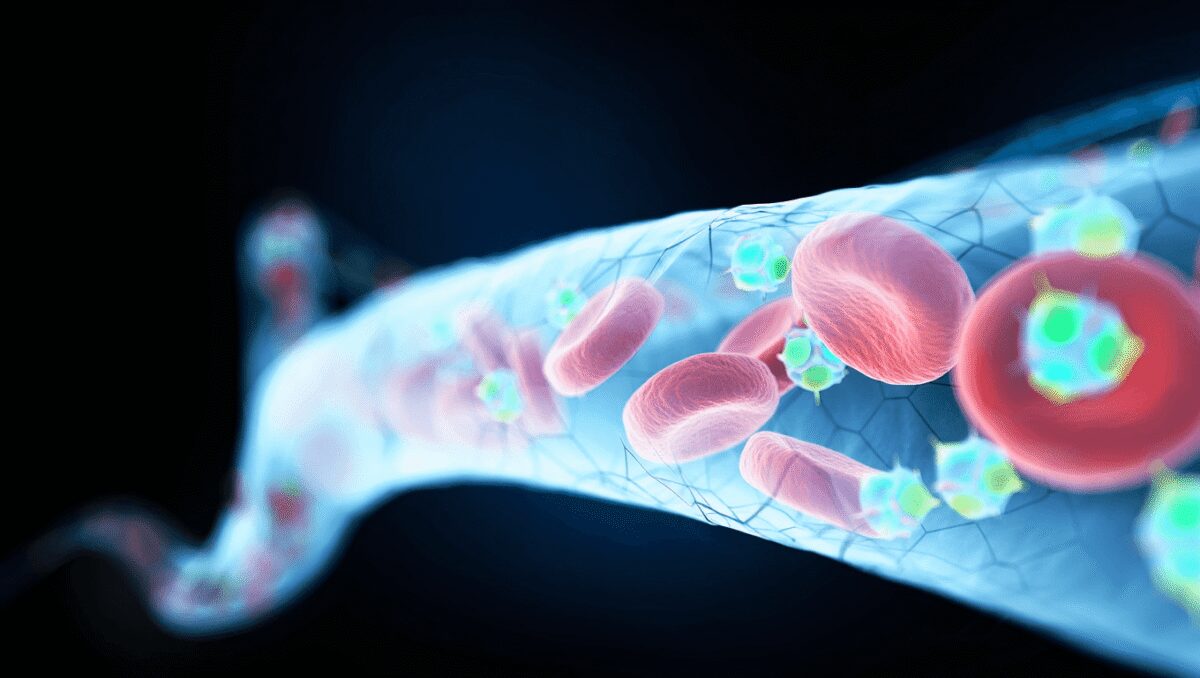
New research is shifting how scientists view blood: not just as a delivery system, but as a dynamic source of molecules and signals that may slow or even reverse signs of aging. Two recent studies — one finding skin-protective compounds made by a blood-dwelling bacterium, the other restoring youth-like function to aged blood stem cells in mice — are prompting researchers to rethink where anti-aging breakthroughs might come from.
Hidden microbes in blood and molecules that shield skin cells
Scientists have identified a bacterium, Paracoccus sanguinis, that lives in human blood and produces small molecules with protective effects in cell experiments. The work, reported in the Journal of Natural Products in 2025, describes three compounds isolated from the microbe.
Fiber gummies boost digestion and banish sluggishness: top Amazon pick
IMAX explores sale: blockbuster shake-up for theaters and investors
Two of those compounds are newly discovered. In lab tests on stressed skin cells, the molecules did three notable things:
- They lowered levels of reactive oxygen species, which are tied to cell damage and inflammation.
- They reduced production of two inflammatory proteins implicated in skin aging.
- They inhibited MMP-1, an enzyme that degrades collagen and weakens skin structure.
One molecule, labeled metabolite 11, emerged as the lead candidate. Researchers say it produced the clearest protection in these cell models. The study received support from national science programs and computing centers in Korea.
Why this discovery is interesting — and why it won’t be on shelves tomorrow
These results are promising, but they come from cells in dishes. That is an important limit. Lab effects do not always replicate in living people.
No commercial skincare product currently contains these compounds. Human safety tests and formulation work would be needed before any ingredient reaches consumers. That process can take years.
Restoring youth to blood-forming stem cells — the Mount Sinai breakthrough
At the Icahn School of Medicine at Mount Sinai, researchers studied hematopoietic stem cells, the cells that generate all blood lineages. Their 2025 paper in Cell Stem Cell outlines a cellular mechanism that drives aging in these stem cells.
Faulty recycling centers inside cells
The team found the lysosome — the cell’s recycling organelle — becomes dysfunctional in aged blood stem cells. Lysosomes grew overly acidic and showed damage in older mice.
When researchers corrected lysosome function, the aged stem cells regained regenerative capacity. Markers of inflammation fell, and cells behaved more like younger counterparts.
The study suggests aging in blood stem cells can be reversed, not only slowed. That idea reframes how scientists think about cellular aging in the blood system.
How these two lines of research could change medicine and cosmetics
The potential reach goes far beyond beauty creams. If the stem cell findings translate to humans, they could:
- Improve outcomes for stem cell transplants by rejuvenating donor or patient cells.
- Reduce age-related blood disorders linked to stem cell decline.
- Make gene therapies safer and more effective in older patients.
Researchers are also exploring whether the same lysosomal defects play a role in blood cancers such as leukemia, which increases with age.
On the skin front, if metabolite 11 can be purified and stabilized, it might serve as a new active for topical treatments or supplements. That is a long path, but the discovery opens a new source of bioactive ingredients.
What experts recommend you do today for skin and healthy aging
Until these findings move into human trials, established habits remain your best defense against visible and systemic aging.
- Protect your skin from UV exposure: sunscreen and shade reduce collagen breakdown.
- Prioritize sleep and balanced nutrition to support repair processes.
- Manage chronic inflammation through diet, exercise, and medical care when needed.
- Discuss age-related blood concerns with your doctor if you have symptoms or risk factors.
Scientists once viewed blood mainly as plumbing. These studies suggest it may also be a source of molecules and mechanisms that influence how tissues age.