Show summary Hide summary
Walk into any beauty counter and you might notice a sameness: sweet, warm, and cozy. But behind the bottles, perfumers are steering away from dessert-like fragrances. The next wave favors edge, weather, and unexpected green or mineral notes that say something about the wearer.
Why the sweet gourmand era is losing steam
For the last decade, gourmand fragrances—built around edible accords—dominated shelves. Now, industry creators say buyers want more nuance. Instead of pure sweetness, perfumers are adding a touch of tension.
Prime Video and Peacock new movies to watch this weekend: Disclosure Day and 2 more
Robert Wagner, 96, shares rare photo with daughter Natasha Gregson Wagner: calls her wonderful
Veteran nose Alberto Morillas points to a craving for complexity. Rather than endless sugar, he favors a faint bitterness or green bite to create dimension. That shift changes how fragrances are composed.
How contrast is shaping memorable fragrance trends
Designers are pairing opposites to keep a scent from feeling flat. Mixing sweet with smokey, floral with mineral, or clean with earthy creates a narrative in a bottle.
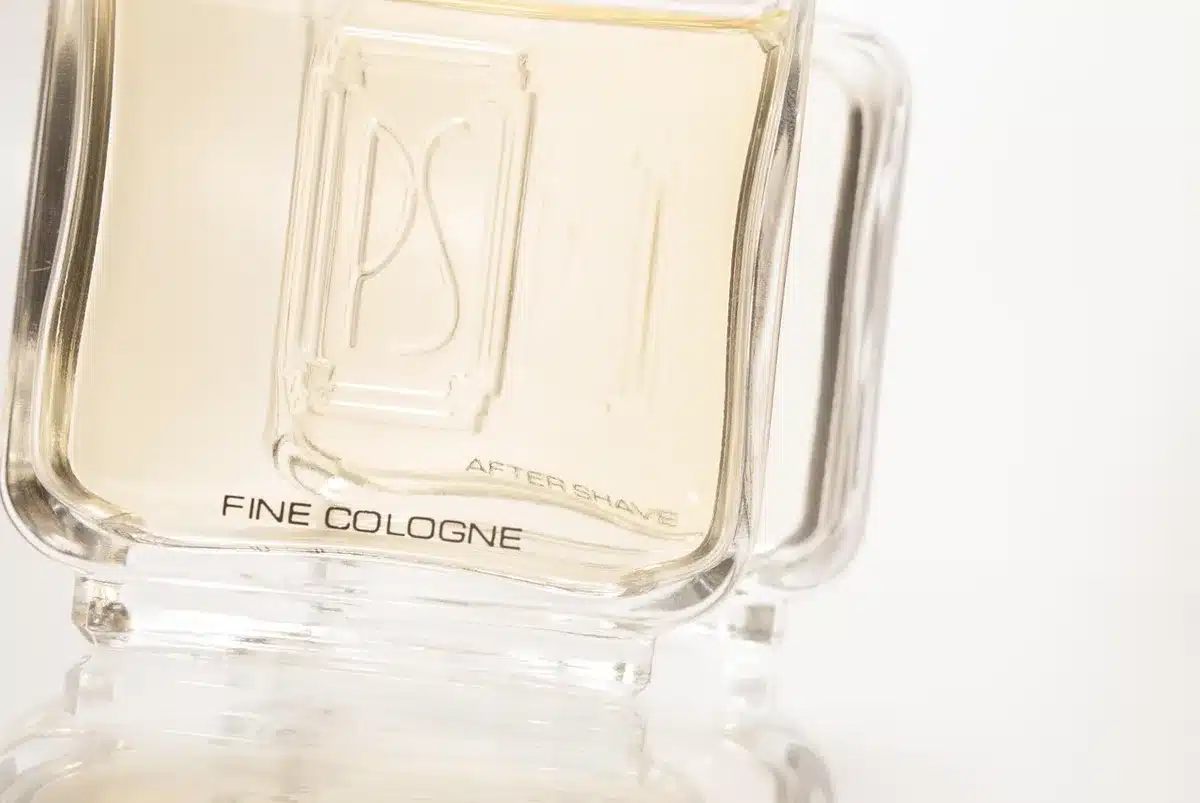
- Sweet + smoky: maintains familiarity while adding grit
- Green + floral: lifts a bouquet away from syrupy tendencies
- Earthy + aquatic: evokes place instead of dessert
Contrast helps a perfume linger in memory. A balanced clash of ideas makes a scent more arresting than a single, straightforward accord.
Ingredients putting modern perfumery on a new map
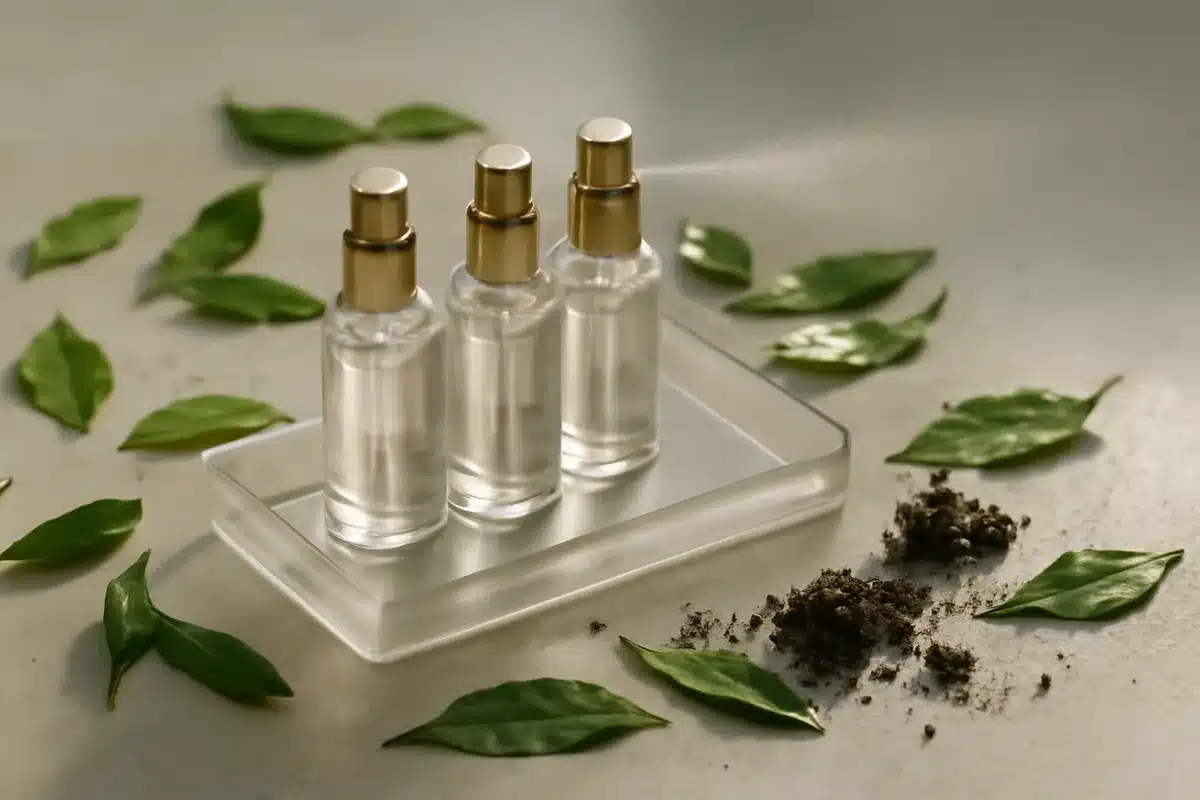
If you look at recent product briefs, certain notes keep reappearing. These ingredients signal a move from bakery to garden, street, and sea.
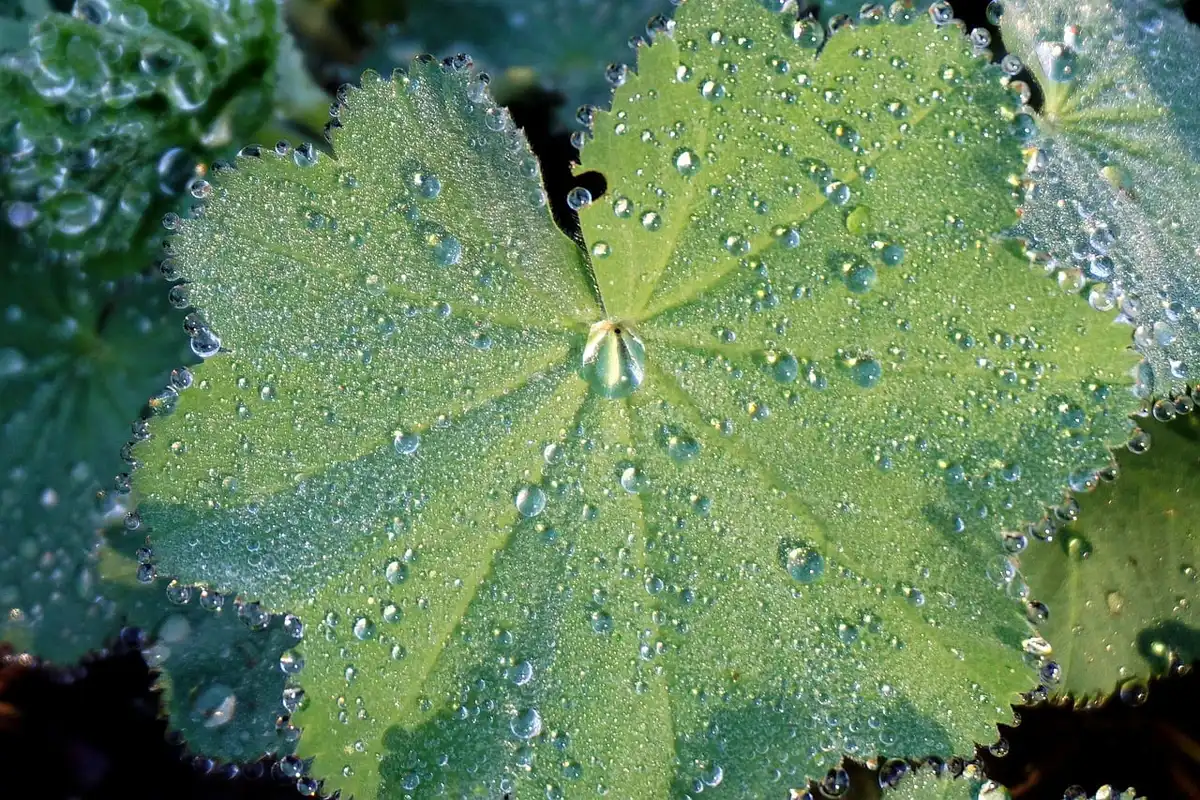
- Tomato leaf
- Wet soil and petrichor
- Matcha and green tea
- Ink and metallic accords
- Smoke and char
- Sea salt and mineral notes
- Fig leaf
- Mushroom and damp-earth tones
- Herbs and raw vegetables
Notably absent are overtly sugary staples like caramel or cotton candy. The palette reads like a walk through a damp garden rather than a pastry shop.
Perfume as atmosphere: scents that transport you
Perfumers are being asked to conjure settings, not just ingredients. Buyers increasingly prefer fragrances that feel like a climate or a memory.
Jasmina Aganovic of Future Society notes the appetite for scents that recreate transient moments. Think: the air after a storm, a humid forest, or salt on a windswept shore.
That reframing changes creative goals. The aim becomes to evoke an environment, not to flatter a single note.
Sea salt: the trend note that links old and new
One ingredient captures the transition especially well: sea salt. It reads wearable and modern at once. Brands are combining it with familiar florals, woods, and tropical fruits.
Mary Testa-Gough, who develops fragrances at Bath & Body Works, highlights how salt adds sensory contrast. Paired with aquatic accords, musk, or creamy woods, it sharpens sweetness while lending a savory, mineral edge.
In practice, salt can make mango or pineapple feel juicier and more complex. It keeps sweet notes from dominating.
What to expect on your dresser this year
The trend points to fewer straight-up desserts and more compositions that read like moods. Expect launches that favor herbs, wet-earth accords, ink, smoke, and mineral notes.
- Look for fragrances built around landscapes or weather moments.
- Try samples that pair sweetness with bitter or saline elements.
- Seek scents that feel specific rather than universally flattering.
Perfumery is shifting from flattery to personality. The coming releases aim to make a scent feel intentional, not merely pleasant.