Show summary Hide summary
- From relentless output to a new artistic chapter
- How the sound shifts: folk, twang, and roots influences
- Characters and scenes: storytelling at the album’s heart
- Tracks to note and why they stand out
- “Billy Came Back”: karaoke, charisma, and communal bonds
- Where this album sits within Amos’ broader work
- Listening tips and how to approach the record
Nate Amos has quietly built one of indie music’s most staggering catalogs. Under his solo alias This Is Lorelei, he has flooded Bandcamp with dozens of releases, then surprised listeners with a stylistic pivot: a warm, country-tinged LP that feels like an open road and a hometown bar rolled into one. The Singer in My Band reorients Amos’ sound toward folk, rock, and country, drawing in curious fans from his other projects and longtime followers alike.
From relentless output to a new artistic chapter
Amos is often described as prolific, but that label undersells the scale of his output. His Bandcamp page alone lists dozens of albums and EPs. He also contributes to Water From Your Eyes and My Idea, making his creative life a constant flow of ideas.
Cashmere-look sweaters that slim: 17 styles from only $3
Hilaria Baldwin says past dance experience made her the villain on DWTS: exclusive
In 2024 he released Box for Buddy, Box for Star, a record many called his breakout. That album led to a companion release featuring covers by fellow artists. The buzz set the stage for The Singer in My Band, a record that doubles down on acoustic textures and pastoral storytelling.
How the sound shifts: folk, twang, and roots influences
The Singer in My Band leans into traditional instrumentation. Guitars, pedal steel, and warm vocal delivery replace synths and electronic flourishes.
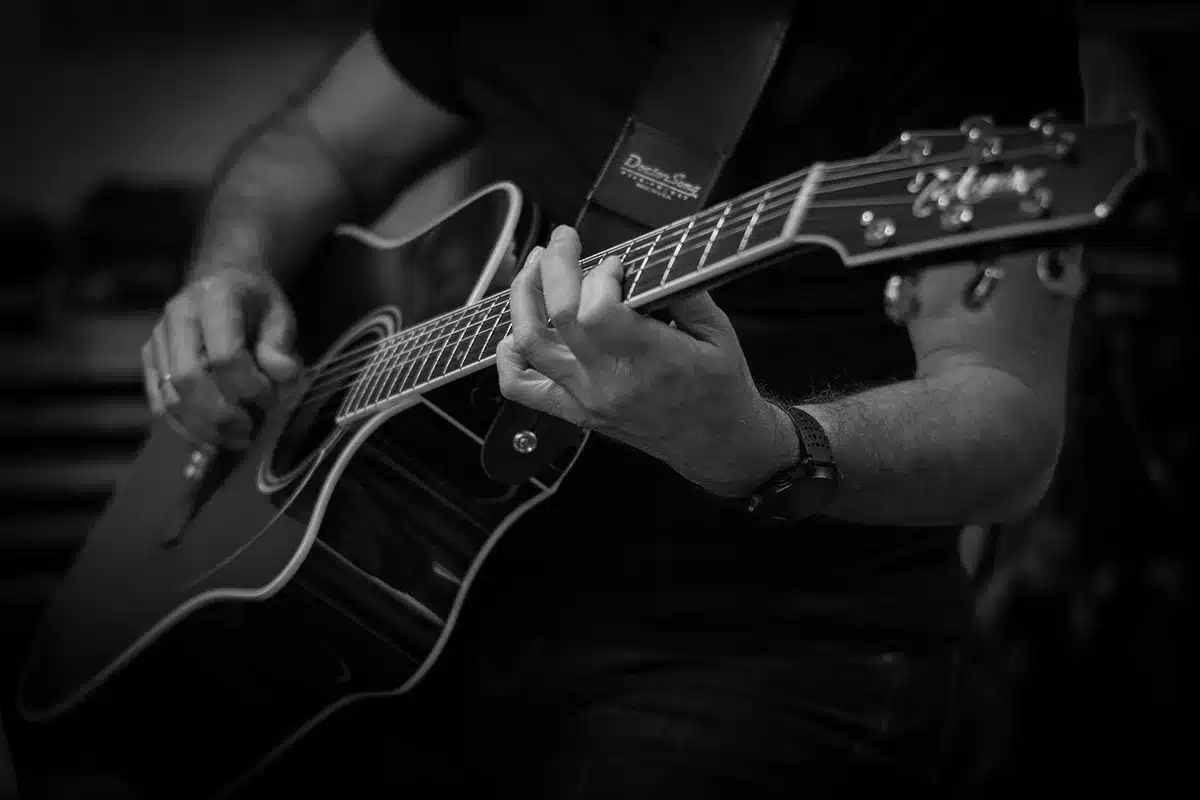
- Less electro-pop, more guitars and twang.
- Songwriting that nods to classic folk and country storytellers.
- Arrangements built for small venues and late-night jukeboxes.
The record often evokes the spaciousness of rural life, with melodies that sit comfortably alongside songs by Gordon Lightfoot and other folk icons. This Is Lorelei’s sound here is grounded and immediate.
Characters and scenes: storytelling at the album’s heart
Amos fills his songs with vivid, small-scale narratives. The album moves through towns, bars, and quiet rooms, taking its time with people who feel familiar and layered.
Portraits of ordinary lives
- Stories of longing, missed chances, and stubborn hope.
- Moments that read like brief short stories set to music.
- Scenes that hinge on human connection rather than spectacle.
These songs knit individual experiences into a broader sense of community. The characters are often flawed, but their flaws make them more human and easier to care about.
Tracks to note and why they stand out
Certain songs on the album act as emotional anchors. They reveal Amos’ shift in focus and the record’s core themes.
- I Will Eat My Heart in the Morning Light — An intimate opener with spare arrangement and a resigned tenderness.
- The Kid with the Crown — A rollicking, country-fried rocker with a playful edge.
- And I Haven’t Seen My Love in Quite a While — Bluegrass-leaning lament about absence and memory.
- Billy Came Back — The lead single, set in a local bar and built around a larger-than-life karaoke figure.
Each track uses specific details to open up wider emotional truths. They reward careful listening and frequent replay.
“Billy Came Back”: karaoke, charisma, and communal bonds
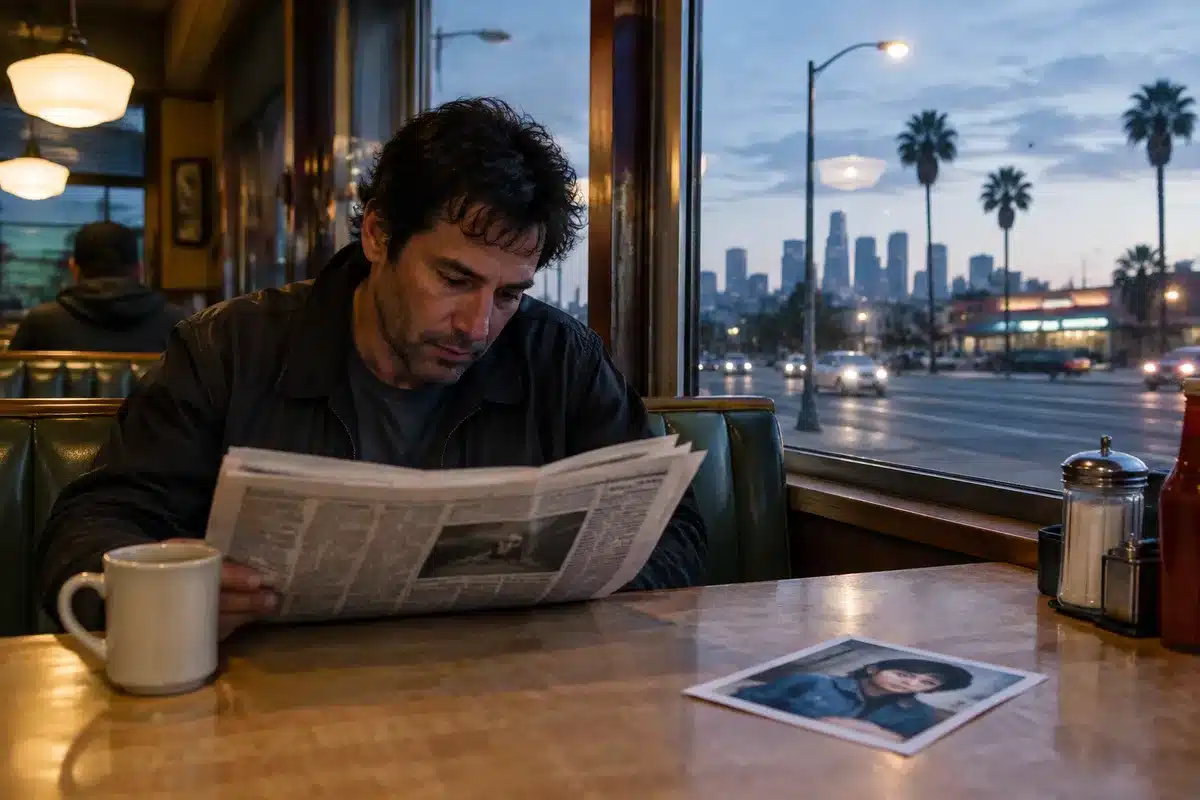
The single paints a clear scene: a dimly lit bar, regulars gathered, a performer who commands attention. Billy doesn’t need lyrics on a screen; his delivery binds the room. People respond to him not as a celebrity but as one of their own.

Amos writes from a vantage point that highlights how music heals and connects. When a stranger becomes the voice that holds a group together, the song reveals the power of shared experience.
Where this album sits within Amos’ broader work
Listeners familiar with Amos’ back catalog will notice a calmer palette here. The electronic touches that colored other projects are largely gone. In their place: storytelling, acoustic warmth, and a focus on roots forms.
This shift doesn’t erase his prior work. Instead, it shows range. Fans who discover him now have a wide catalogue to explore, and every listener might find a different doorway into his music.
Listening tips and how to approach the record
- Play it in a quiet room to catch lyrical detail.
- Focus on character names and small moments for deeper resonance.
- Pair the album with late-night drives or slow afternoons.
The Singer in My Band rewards patient listening and an appetite for lyrical portraiture. It’s a record that favors human moments over spectacle, inviting the listener into its local scenes and lingering melodies.