Show summary Hide summary
- How a waiting room lyric became a worldwide single
- Retro-futurism: the visual and thematic DNA of the album
- Where pop hooks meet rock attitudes
- The tension beneath the gloss: heartbreak, identity, and restraint
- Media placements, covers, and unexpected afterlives
- Artistry and misinterpretation in pop culture
- Why the record still matters
When a jaunty, pleading chorus cut through the mid-90s airwaves, few expected a small Swedish band to become a global pop talking point. “Lovefool” pushed the Cardigans from local favorites into international headlines, and the track’s sunny exterior masked a craftier origin story and darker emotional currents.
How a waiting room lyric became a worldwide single
The song’s lyrics arrived quickly, scribbled in a moment of downtime at an airport. Vocalist Nina Persson has said the words came in a flash, and the band immediately felt they had a slim, catchy gem. What followed in the studio changed the song’s destiny.
Chrishell Stause feud: Christine Quinn breaks silence with rare comment
RHOSLC star Mary Cosby reveals unseen moments that sparked Angie Katsanevas feud in season 7

- Original idea: a bossa nova tempo.
- Studio pivot: drummer Bengt Lagerberg suggested a livelier, disco-influenced groove.
- Result: a danceable pop track that crossed genres and radio formats.
“Lovefool” transformed its initial blueprint into a single that would dominate playlists and land in high-profile film and TV placements, amplifying the Cardigans’ reach overnight.
Retro-futurism: the visual and thematic DNA of the album
The band embraced a nostalgic vision of tomorrow on their third LP. That aesthetic—part space-age whimsy, part childhood wonder—became a running motif throughout the record and the group’s imagery.
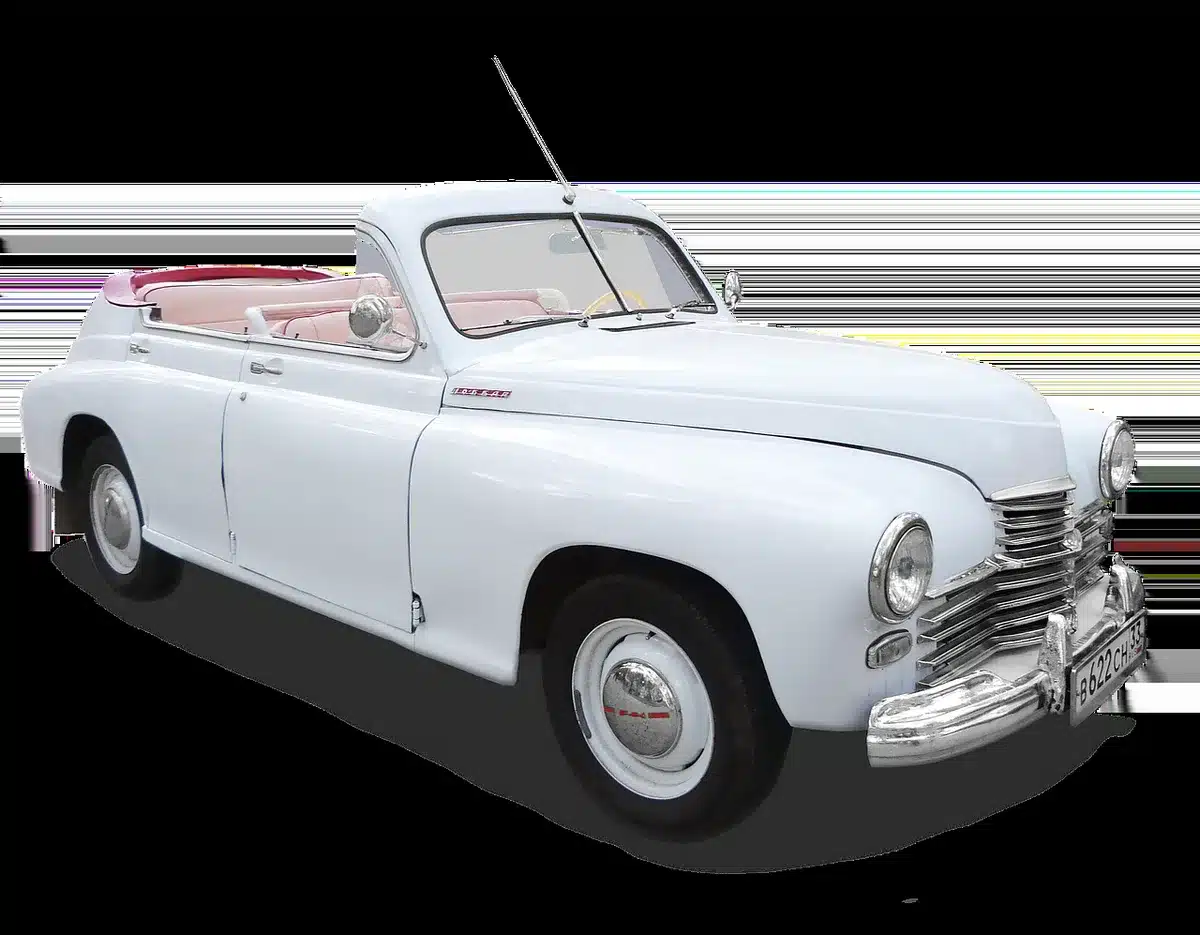
Bassist Magnus Sveningsson captured the mood plainly: the band often felt like they were operating from a distance, together but removed, like occupants of another world. The album title, suggested by Persson, hints at multiple meanings: a playful misheard phrase, a nod to mid-century pop culture, and a subtle expression of isolation.
Where pop hooks meet rock attitudes
Although the Cardigans resonated with pop audiences, their roots run into heavier territory. Founders Magnus Sveningsson and Peter Svensson came up in Sweden’s metal and hardcore environments.
- Early influences included metal icons like Iron Maiden.
- The band recorded covers of Black Sabbath material on separate releases.
- On First Band on the Moon, rock textures surface amid polished pop arrangements.
That duality shows up in tight drum patterns, jagged guitar flourishes, and moments that lean toward the abrasive. The record deliberately blends shimmer with grit.
The tension beneath the gloss: heartbreak, identity, and restraint
Many tracks on the album map the complexities of broken relationships. Persson’s voice often slips between playful and wounded, framing emotional bargaining in disarmingly bright melodies.
For example, “Step on Me” opens as deceptively breezy but reveals a rawer interior. Persson described the song as an exploration of the contortions people make for love. Its math-like guitar figures and an insistent chorus communicate uneasy compromise.
Elsewhere, songs track different stages of failed romance: stunned observation, weary acceptance, and the dizzy early rush that can swiftly sour. The album resists being boxed as a simple breakup project, even as many songs emerge from personal sorrow.
Media placements, covers, and unexpected afterlives
Exposure in films and TV amplified the band’s profile. A needle-drop in Baz Luhrmann’s Romeo + Juliet brought the song to teenage viewers worldwide. Later syncs, appearances, and reinterpretations kept the track in circulation.
- Romeo + Juliet inclusion helped expand the audience.
- Further placements included teen dramas and movie soundtracks.
- Decades on, snippets found new life on social platforms, changing listener perceptions.
Even emerging pop artists have nodded to the Cardigans’ hooks. Those echoes point to the song’s lasting melodic strength and its adaptability across eras.
Artistry and misinterpretation in pop culture
The band sometimes bristled at being lumped in with more overtly glamorous pop acts from Sweden. They wanted to be seen as more than creators of a single, bright hit. That defensive streak fed into their aesthetic choices and how they presented themselves.
Public perception often focused on the brightest singles, while the record’s darker corners were overlooked or misunderstood. In recent years, social media trends have reframed parts of the album, sometimes missing the original emotional intent.
Why the record still matters
Listeners who delve beyond the radio favorites find a record with layered production and emotional nuance. The combination of cleverly arranged pop, rock-tinged edges, and Persson’s ambiguous vocal delivery gives the album a restless intelligence.
For performers and songwriters alike, First Band on the Moon remains a touchstone for blending contrasts: vintage touches with contemporary beats, sweetness with strain, and cinematic moods with compact hooks.