Show summary Hide summary
- When a squire’s secret rewrites the stakes
- Dunk’s hollow knighthood and an ethical crossroads
- Dragons, dynasties, and the weight of a family name
- The soothsayer’s dark prophecy and foreshadowing
- Quiet lessons: training, loyalty, and small acts of care
- How smallfolk get their say in a world of dragons
- Notable details, Easter eggs, and visual flourishes
- Craft, credits, and the episode’s quiet architecture
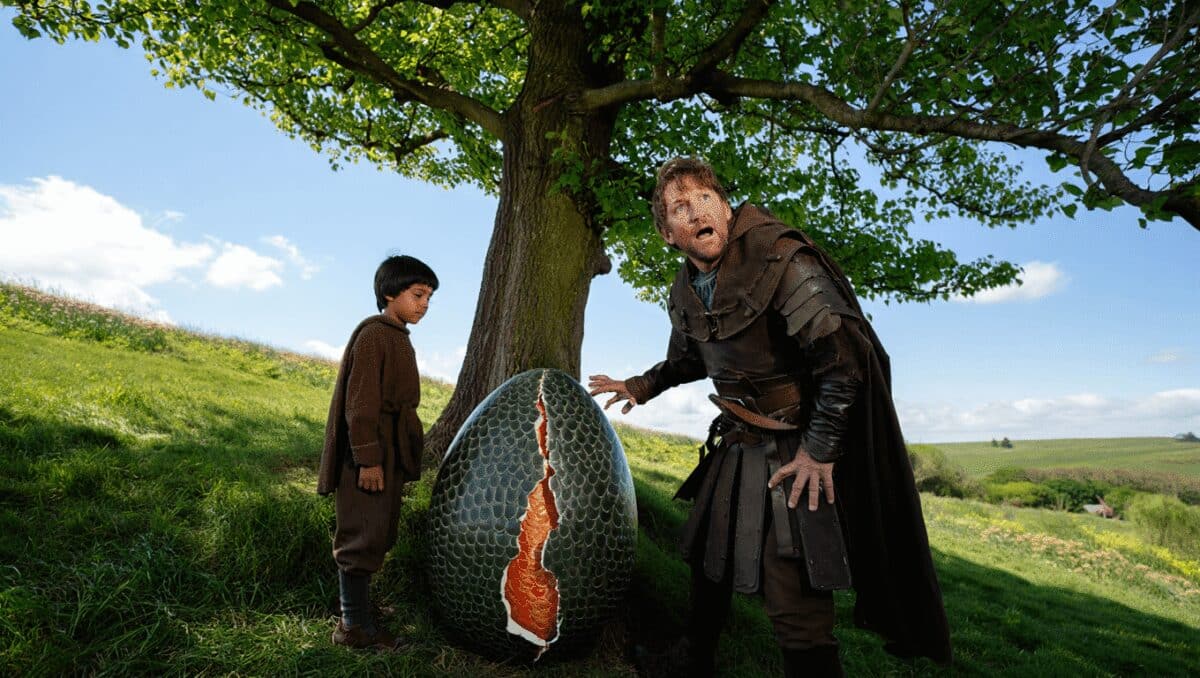
In a quiet moment beneath an elm, a small act of honesty reshapes a wandering knight’s life. The boy at Ser Duncan’s side is no ordinary squire. He is Aegon, heir to a Targaryen line, and that revelation ripples through a day of tournaments, moral tests, and street-level consequences. What begins as a simple tutorial in squirecraft becomes a study in status, duty, and the dangerous gap between knightly ideals and noble cruelty.
When a squire’s secret rewrites the stakes
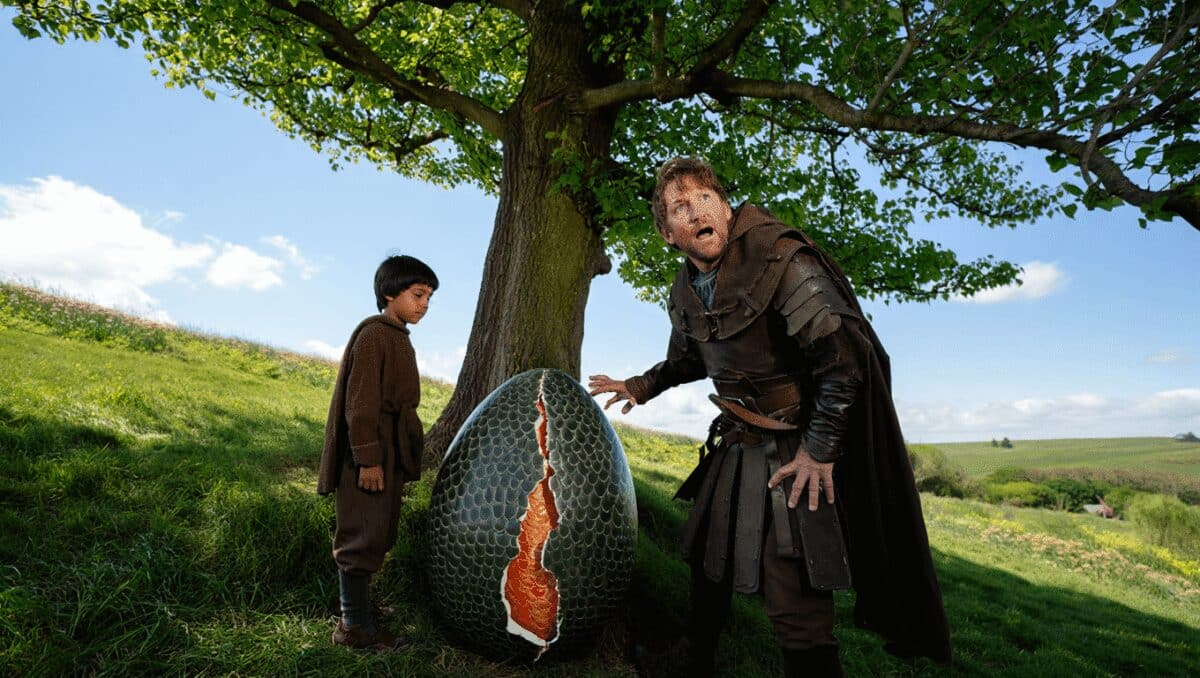
The episode opens with a domestic beat: an intimate breakfast, a cracked goose egg, and the steady rhythm of two men learning to trust one another. Then comes the confession. The boy who calls himself Egg is revealed as Aegon V Targaryen, son of Maekar and a grandson of the king. The admission is not boastful. It is tactical, protective, and unsettling.
Deadliest Catch star Jake Anderson reveals divorce from wife Jenna after 13 years
Hayden Panettiere on postpartum depression: felt out of control in heartbreaking battle
That moment reframes everything. Dunk’s unofficial title is already fragile. Now he must navigate loyalty to a friend who literally belongs to the realm’s ruling family. The reveal forces questions about power and pretense. It also forces Egg to choose the kind of man he wants to serve under the Targaryen banner.
Dunk’s hollow knighthood and an ethical crossroads
Ser Duncan’s reputation is a patchwork of courage and improvisation. He has a way of looking and acting like a knight even when formal anointment is missing. That ambiguity attracts people with agendas.
Plummer approaches Dunk with a wager: help make a joust believable so a favored rider can profit. The pitch is flattering, but the subtext is ugly. Dunk must decide if a lie earns coin or stains honor.
Power plays at Ashford Meadow
- Prince Aerion’s violent entrance sets the tone. A joust turns ugly quickly.
- Ser Humphrey’s animal suffers for a noble’s cruelty.
- Mob anger bubbles into chaos, showing how easily spectacle becomes brutality.
For Dunk, the practical question is simple. For everyone else, the consequences are severe. The episode underscores a recurring truth: in this world, knighthood does not shield commoners from aristocratic whims.
Dragons, dynasties, and the weight of a family name
The Targaryen legacy is a constant undercurrent. Villagers grumble about the family’s decline and the madness whispered to accompany inbreeding. Those whispers have teeth; they shape how people behave around the family’s name.
When a puppet show recounts Serwyn of the Mirror Shield and the dragon Urrax, Aerion reacts like a man defending his house’s honor. He breaks a performer’s finger to control the narrative. That act is a small horror that announces larger rot within the highborn.
The soothsayer’s dark prophecy and foreshadowing
A wandering seer delivers a blistering line to Egg: “You will die in a hot fire…and all who know you shall rejoice.” It hangs over the episode like smoke. The show does not shy from prophecy. It plants warnings as narrative seeds.
These moments matter. They push characters to act, sometimes rashly. They also remind viewers that lineage and fate are not the same as virtue.
Quiet lessons: training, loyalty, and small acts of care
Egg’s decision to help Dunk is partly filial and partly moral. He watches the knight sleep and resolves to earn his place. He trains on borrowed gear and practices the unglamorous tasks that make a squire reliable.
Dunk, for his part, shows tenderness beneath his gruff exterior. After a sparring threat, he chooses teaching over violence. The exchange cements their bond.
How smallfolk get their say in a world of dragons
The episode refocuses the lens on common people. Too often in epic tales, peasants exist only as background. Here, their lives, songs, and dignity get air.
Egg offers a defense of a bawdy song about “Alice With Three Fingers.” He reads it not as objectification, but as quiet courage. It’s a small cultural critique that reveals his broader belief: worth is earned, not inherited.
Notable details, Easter eggs, and visual flourishes
- Giant goose egg breakfast: a memorable visual that hints at larger symbolism.
- Robyn Rhysling’s eyepatch: the mad knight’s odd advice adds ominous color.
- Song about the Blackfyre Rebellion: Egg’s whittling tune compresses history into a warning.
- Thunder the horse: small moments with animals bring warmth and authenticity.
- Sandwich debate: a casual scene sparks jokes about Westerosi foodways.
- Political murmurs: Raymun’s talk about Targaryen madness hints at wider discontent.
Craft, credits, and the episode’s quiet architecture
“The Squire” is written by Hiram Martinez, Annie Julia Wyman, and Ira Parker. Sarah Adina Smith directs. Their work balances softness and menace.
Scenes alternate between intimate tutor-like moments and public spectacle. The result is a tight, character-forward hour that expands the series’ moral horizon while keeping its feet on the ground.