Show summary Hide summary
- A mosaic of emotion and melody: what the record does
- From solitary craft to collaborative color
- Tracks that linger and why they matter
- Arrangement and production: deliberate choices
- Genre play: how White moves between styles
- Devices that deepen the listening experience
- The record’s central theme: many loves in one
- Why this record matters now
I can remember just one short love poem by heart. It is nameless and spare, and fragments of it surface at unexpected moments. That feeling—an echo of an echo—came back to me while listening to Asher White’s new album, Love Aggregates. The record feels like a stitched-together collage of moods and sounds. It keeps returning to the same subject: love, in many small forms.
A mosaic of emotion and melody: what the record does
Love Aggregates collects moods as much as melodies. Each song acts like a shard of feeling. Sometimes the lyrics are luminous and clear. Sometimes they are puzzling and elusive. The music ties those pieces together.
- Lyrics: lines that flirt with surreal images and blunt confession.
- Melody: warm, often simple, but with precise placement.
- Texture: layers of sound that reward repeated listens.
Dorinda Medley: 25 shocking secrets from meeting Princess Diana to Real Housewives drama exclusive
Home Alone director Chris Columbus: reboot won’t work without late Catherine O’Hara
White treats songs like vessels. She loads them with small treasures: a curious phrase, an unexpected chord, a snippet of noise. The result is an album that sounds intimate and deliberately arranged at once.
From solitary craft to collaborative color
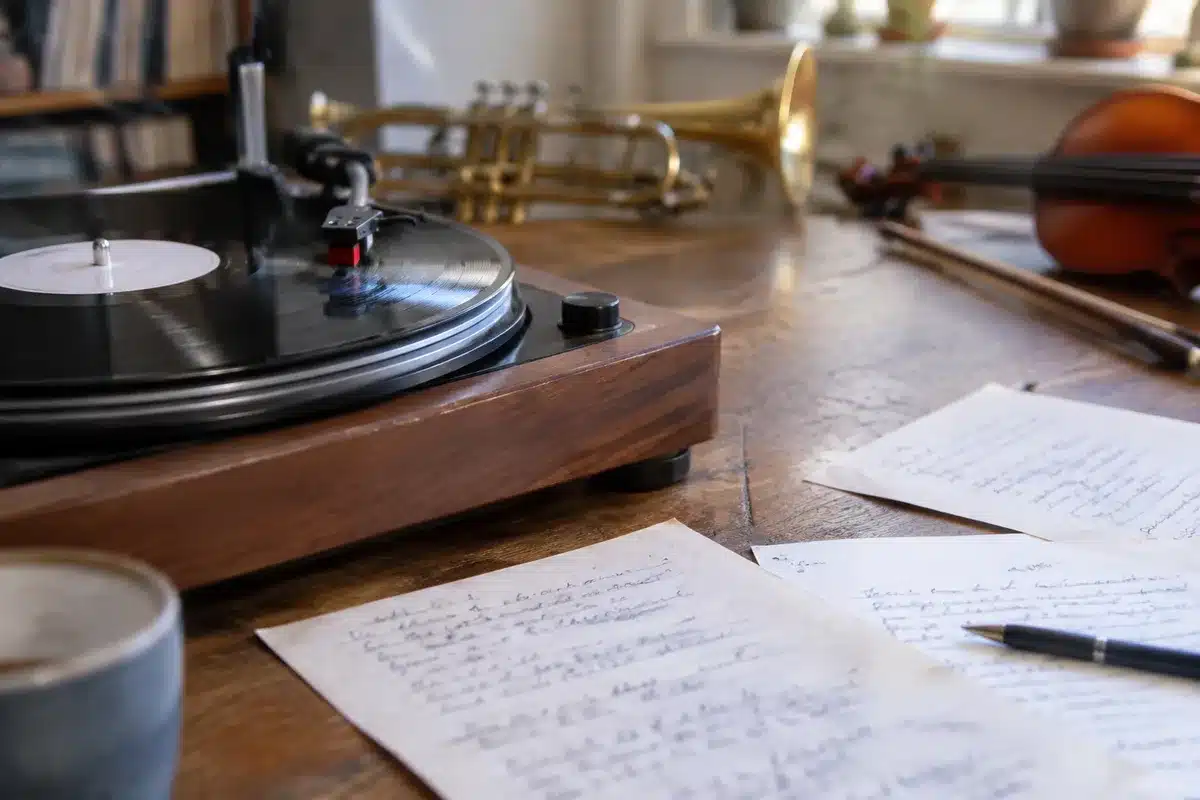
Much of White’s output has been solitary. On Love Aggregates, she still plays many parts herself. But she also brings in collaborators who add tonal variety. Brass and strings punctuate moments that would otherwise be spare.
- Trumpet and trombone add brightness to breakup tunes.
- Strings lift narrative vignettes into something larger.
- Electronic elements and feedback create abrasions that surprise.
These additions do not dilute White’s vision. Instead, they expand it. Her willingness to invite other players creates sonic contrasts that sharpen her songs.
Tracks that linger and why they matter
Some songs stand out for their structural quirks. White often builds an expectation and then pulls the floor away. That trick makes the moments that remain more memorable.
“Reverie for Work” — a gentle opening
The album begins with a soft, dreamlike piece. Sparse synths and a waltz-like pulse carry White’s light voice. It feels like the calm after a long day and sets a reflective tone.
“My Day at the Casino” — bright heartbreak
Brass gives this breakup song a surprising lift. The arrangement balances wry resignation and musical cheer. The contrast makes the lyrics sting in a new way.

“Jerryboy” — fable, folk and surprise
Violins soar above a bed of instruments. The track trades on a storytelling mood. It feels like hearing an old tale retold with modern oddities.
More moments to note
- “White Castles Sad”: deceptive simplicity that reveals careful craft.
- “Atoll”: a point of concentrated ache, layered with loops and feedback.
- “Memory Patient (Motor Cycle Angel)”: a drum fill commandeers the ending.
- “Stage Diva”: sudden drops that shift focus from spectacle to quiet observation.
Arrangement and production: deliberate choices
The production never feels overcrowded. Instead, White uses arrangement to create surprise. A harmonized brass line will suddenly feel like the centerpiece. Then strings or feedback will complicate the scene. These choices reveal an attention to proportion.
- Simple passages gain weight through texture.
- Abrupt transitions make the songs feel alive.
- The album favors craft over showiness.
Precision is paired with warmth. The record sounds composed and lived-in. That duality gives it emotional force.
Genre play: how White moves between styles
White blends styles confidently. Funky rhythms, gentle folk, and electronica rub shoulders. Nothing sounds like a forced experiment. Each element is chosen to serve the song.
- Funk and groove textures for momentum.
- Folk tones for storytelling and intimacy.
- Electronic flourishes to unsettle and expand.
That fluidity reflects White’s curiosity. She treats genre as a palette rather than a rulebook.
Devices that deepen the listening experience
White uses recurring motifs and abrupt shifts to make the album linger in the mind. Songs often lack a clear beginning or end. They breathe, overlap, and then change direction.
- Unexpected instrumental centers that claim attention.
- Textural collisions: strings, feedback, and loops.
- Vocal lines that echo or retreat into reverb.
These techniques demand attention. They also reward repeated plays with new discoveries.
The record’s central theme: many loves in one
Throughout, love is the connective tissue. It appears as longing, irony, warmth, and loss. White treats love as a collection—small affections and larger regrets that build into something whole.
Love as an aggregate is a recurring idea. Songs collect moments, and those moments add up. The album asks listeners to notice the small ways feeling accumulates.
Why this record matters now
Love Aggregates arrives after a period of creative momentum for White. It refines familiar strengths while exploring new textures. The result is both accessible and artful.
- It rewards close listening without demanding it.
- It mixes immediate melody with curious production touches.
- It shows an artist confident enough to take risks.