Show summary Hide summary
A Maryland judge has paused the trial of Brady Ebert, once the guitarist for hardcore band Turnstile, ordering a formal mental competency assessment before criminal proceedings continue. The decision follows heated courtroom exchanges and allegations tied to a violent April incident that left a 79-year-old man badly hurt.
Judge demands competency evaluation before first-degree attempted murder trial
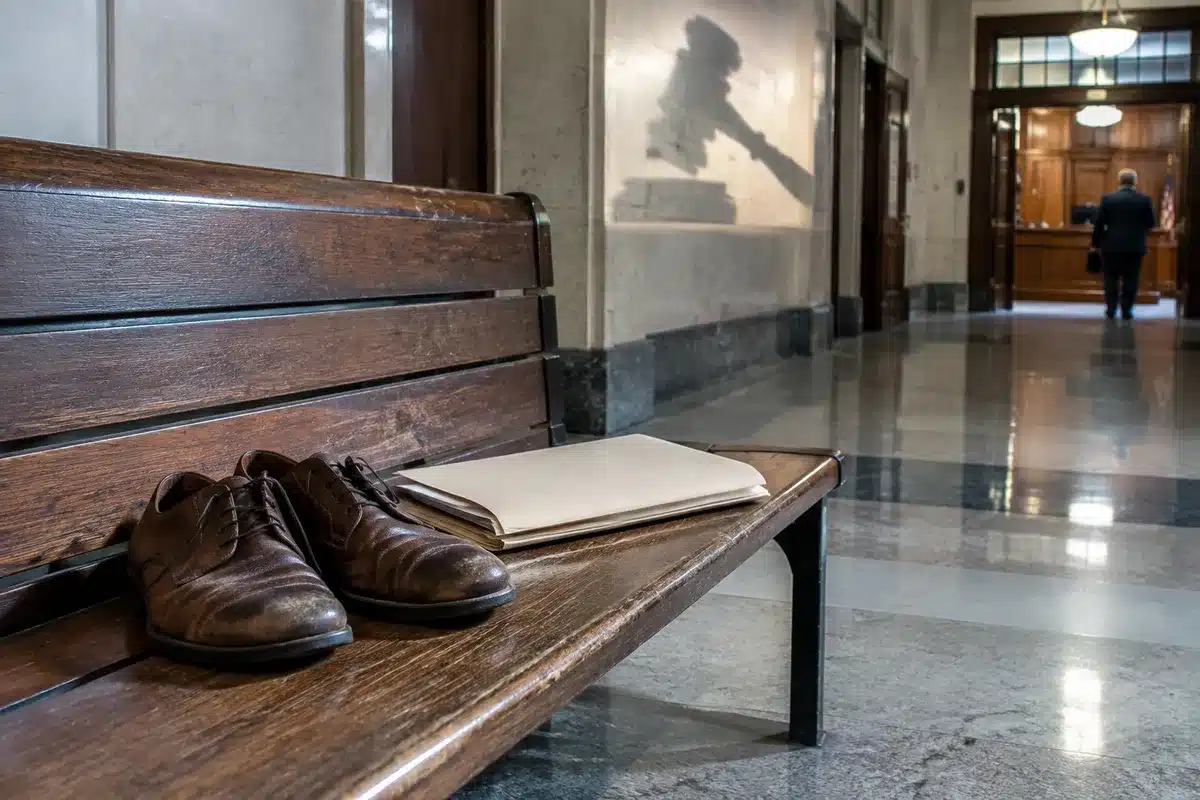
Circuit Judge Eric Johnson instructed that Ebert must be evaluated for his fitness to stand trial. The request came after defense counsel raised doubts about Ebert’s mental state. Prosecutors and the defense will await the results before the case moves forward.
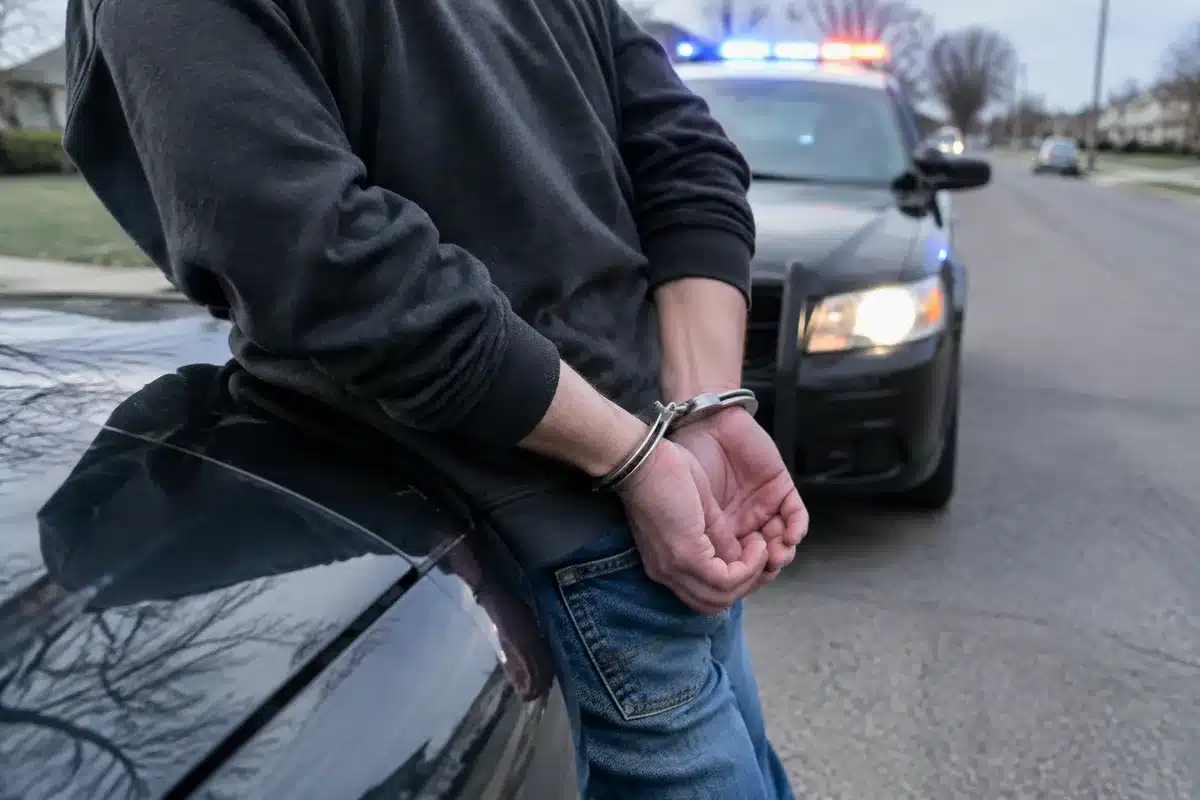
The Voice finalist Josh Sanders arrested on suspicion of impaired driving and making threats
Brady Ebert, former Turnstile guitarist, faces competency evaluation before trial

The competency finding will determine whether Ebert can participate meaningfully in his defense. If experts find him unfit, the trial could be delayed while treatment or further evaluation occurs.
Allegations in the April attack: details of the charge
Authorities say the incident occurred in April. Ebert is accused of attempting to kill William Yates, the father of Turnstile frontman Brendan Yates.
- Police say Ebert allegedly shouted obscenities and repeatedly honked outside Yates’ home.
- Investigators claim Ebert then used a vehicle to strike the 79-year-old, causing serious injuries.
- The charge filed is first-degree attempted murder, a crime that carries severe penalties.
If convicted, Ebert faces a potential life sentence. His next scheduled hearing is set for September 22.
Band history and earlier legal efforts to keep distance
Turnstile had previously sought legal protection from Ebert. In 2022, the band filed for a restraining order that referenced troubling behavior.
The court declined to grant that request. In a later public statement, the band described ongoing, unfounded harassment and threats. They also expressed relief that Mr. Yates survived and has undergone surgery.
The group said they had tried to respect privacy around his departure from the band, but that the behavior ultimately escalated.
Courtroom drama: accusations, threats, and claims of collusion
The hearing became contentious when Ebert openly disputed his lawyer’s concerns about competency. He indicated he believed his counsel was aligned with prosecutors.
In court Ebert threatened to remove his attorney and said he would pursue legal action against multiple parties. He also accused an earlier lawyer of accepting a bribe.
Defense attorney Mark Sobel told the judge he had “significant concerns” about Ebert’s ability to stand trial. Ebert responded by insisting he was lucid and wrongly accused.
He has alternately described the episode as self-defense and declared the official police report to be inaccurate. Ebert offered to have video evidence reviewed to prove his innocence.
How a competency evaluation works
- A court-appointed mental health professional interviews the defendant.
- Assessors review medical records, behavior in custody, and capacity to consult with counsel.
- The expert issues a written opinion and may testify about fitness to stand trial.
- Results can lead to treatment, a temporary suspension of proceedings, or a finding that trial should proceed.

Potential legal paths and what to watch next
The competency process could prolong pretrial motions and discovery. If Ebert is found competent, the full trial will go ahead on the current charges.
Key items to follow:
- Findings from the court-ordered psychiatric or psychological exam.
- Any additional evidence, including surveillance or video footage cited by the defense.
- Updates to pretrial filings and scheduling from the Circuit Court of Maryland.
For now, the judge’s order places Ebert’s criminal case on hold pending mental health review. The outcome will shape whether prosecutors pursue a trial date or whether treatment becomes necessary before legal proceedings resume.