Show summary Hide summary
- Estate explains why horns appear on the updated “Calabama”
- Who added the horns and their connection to Prince
- What the estate denied about the rest of the album
- Fans react: anger, skepticism and accusations
- How the estate urged fans to respond
- Context: the Timeless compilation and the original recording
Prince’s estate has stepped into a simmering debate over the singer’s new posthumous compilation, defending a last-minute change to a 2003 track that has fans divided. The short message, posted to the late artist’s official Instagram, tries to explain why brass instruments appear on the newly released version of “Calabama.”
Estate explains why horns appear on the updated “Calabama”
The statement from NPG Records and Prince’s management says the original multitrack for the bridge contained a synthesizer where the vocal calls for “horns” occurred. To complete the passage, the archived synth line was replaced with live horn parts recorded after Prince’s death.
Selling Sunset’s Bre Tiesi reacts: Chrishell Stause and G Flip split after falling out
Kim Kardashian recalls last conversation with dad Robert: I’ll never forget it

The estate framed this as a production decision that reflected how Prince often worked in the studio. They stressed that the singer’s recorded parts were preserved and that the added horns were meant to realize the track’s vocal direction.
Who added the horns and their connection to Prince
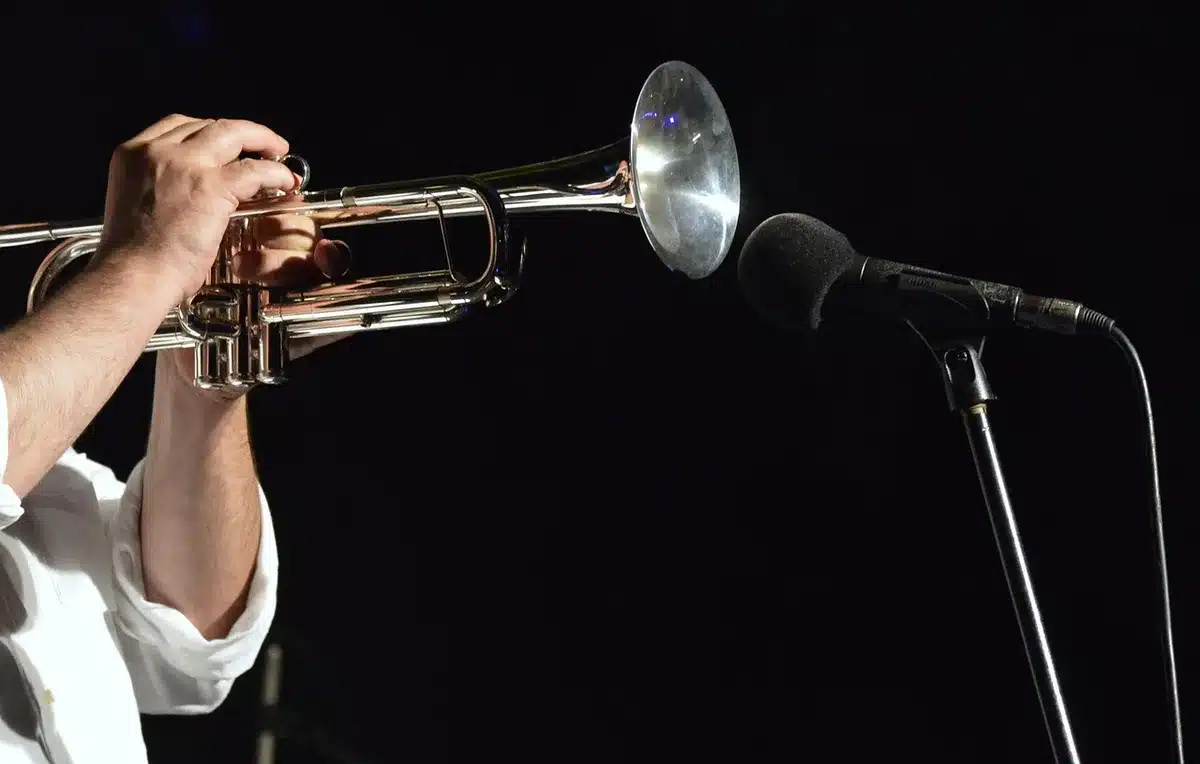
Rather than using anonymous session players, the estate says the brass parts were recorded by musicians who had previously worked with Prince. The announcement emphasized the contributors’ ties to the artist and presented the overdubs as respectful collaborators completing an unfinished moment.
- Players were selected for their familiarity with Prince’s sound.
- The arrangements followed the vocal cue in the bridge.
- The estate says the choice matched Prince’s known production habits.
What the estate denied about the rest of the album
Alongside the explanation, the label made two key reassurances. First, it said the horn overdubs were limited to “Calabama.” Second, the team strongly denied any use of artificial intelligence on Prince’s recordings.
No overdubs were used on the other posthumous tracks, the message read, and the organization also declared no AI was involved in producing Prince’s music for the release.
Fans react: anger, skepticism and accusations
Not everyone accepted the estate’s explanation. Social feeds filled quickly with criticism from fans who believe Prince would not have approved of posthumous alterations. Some accused the estate of altering material to generate sales rather than honoring the artist’s wishes.
- Many comments questioned the moral right to alter archived recordings.
- Some listeners expressed distrust of posthumous releases in general.
- At least one critic said the changes contradicted Prince’s past statements about unreleased music.
How the estate urged fans to respond
The post acknowledged that listeners might object to finishing the track, and it appealed for dialogue to follow Prince’s own mantra of compassion. The estate invited complaints to be expressed in a manner consistent with the artist’s values, invoking his emphasis on unity and kindness.
Context: the Timeless compilation and the original recording
“Timeless” compiles rare and unreleased material from Prince’s archives. The 2003 demo of “Calabama” reportedly contained a synth fill in the bridge. Producers faced a choice when preparing the track for release: leave the original synth in place or replace that element to match the vocal call for horns.
Why producers might alter archival tracks
- To create a finished-sounding release from incomplete material.
- To honor performance directions present in the original takes.
- To involve musicians who knew the artist’s style and intent.