Show summary Hide summary
- Suno removes Mary J. Blige spot amid consent claims
- What viewers actually saw in the advertisement
- How Suno says the arrangement unfolded
- Legal pressure and earlier controversies surrounding Suno
- Industry moves to label and regulate AI-created music
- Why this episode matters for artists and platforms
- Possible outcomes and next steps to watch
The AI music startup Suno has quietly pulled an ad featuring Mary J. Blige after backlash over the R&B star’s apparent endorsement. The short video showed Blige in a studio responding to a generative-AI demo, but questions about consent and misleading representation sparked criticism and prompted the company to remove the spot.
Suno removes Mary J. Blige spot amid consent claims
Suno said it stopped running the commercial once it learned the singer had not approved the ad. The company told reporters it believed it had contracted with someone who presented themselves as Blige’s representative.
Savannah Chrisley reveals sex of first baby with husband Jason Galanis: our greatest blessing
AI music generator Suno pulls Mary J. Blige ad
The campaign was taken down after Suno learned that was not true. The firm also said Blige was uncomfortable with the ad’s release.
What viewers actually saw in the advertisement
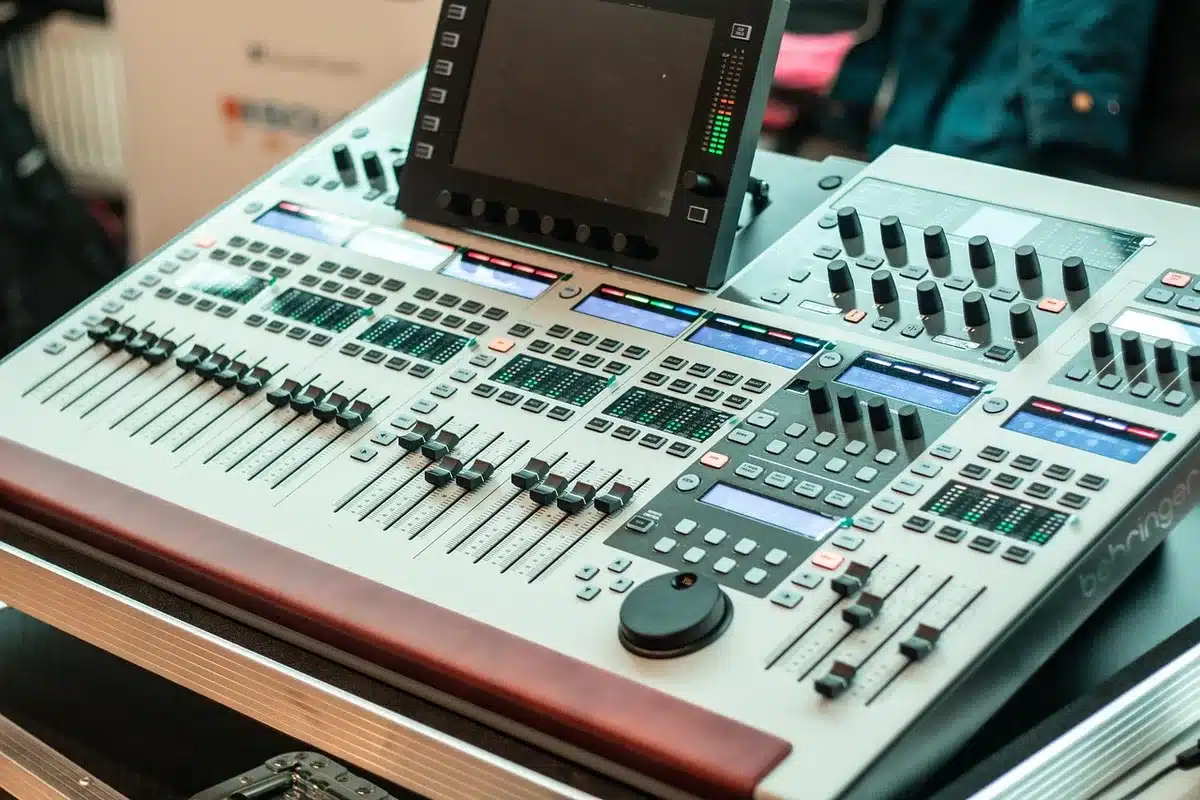
The clip shows Blige in a recording-room setting while an engineer builds a track with Suno’s tools. Strings and a drumbeat are added in quick succession.
Editing choices made it hard to tell what Blige was reacting to at each moment. In the footage she calls the technology “amazing” and “dope,” but context is unclear.
How Suno says the arrangement unfolded
A company spokesperson described Blige as an artist they admire and said Suno wanted to partner with her because of her long career. The spokesperson added they would end the campaign when they discovered the error.
Legal pressure and earlier controversies surrounding Suno
Allegations about data sourcing and likeness misuse
Suno has faced scrutiny before. Leaks earlier this year alleged the platform trained models using content pulled from services like YouTube Music, Genius, and Deezer.

Recent lawsuit from Jason Isbell
Last week another artist, Jason Isbell, filed a class action against Suno. The suit accuses the startup of enabling users to replicate artists’ sounds without permission.
Isbell likened the tech to a collective force, arguing it exploits musicians’ identities for profit. Suno responded that it believes the claims lack merit and plans to defend itself.
Industry moves to label and regulate AI-created music
Pressure around AI in music has prompted platforms and industry bodies to act. Streaming services are beginning to require disclosure when AI plays a role.
- Apple Music will start labeling tracks made with artificial intelligence.
- Deezer and Tidal have also moved toward identifying AI-assisted songs.
- The Australian Recording Industry Association (ARIA) said fully AI-produced songs will not qualify for its charts.
Why this episode matters for artists and platforms
The Blige ad controversy highlights growing tensions over consent, attribution, and revenue. Artists worry their distinctive voices and styles can be mimicked without approval.
Platforms face legal and reputational risks when third parties appear to misrepresent artists. Clear verification and licensing processes are becoming essential.
Possible outcomes and next steps to watch
- More platforms may adopt mandatory AI-use labels for transparency.
- Record labels and artists could push for stronger rights around vocal likeness and stylistic imitation.
- Regulators and courts may clarify how existing copyright and publicity laws apply to generative music tools.